

Natural materials
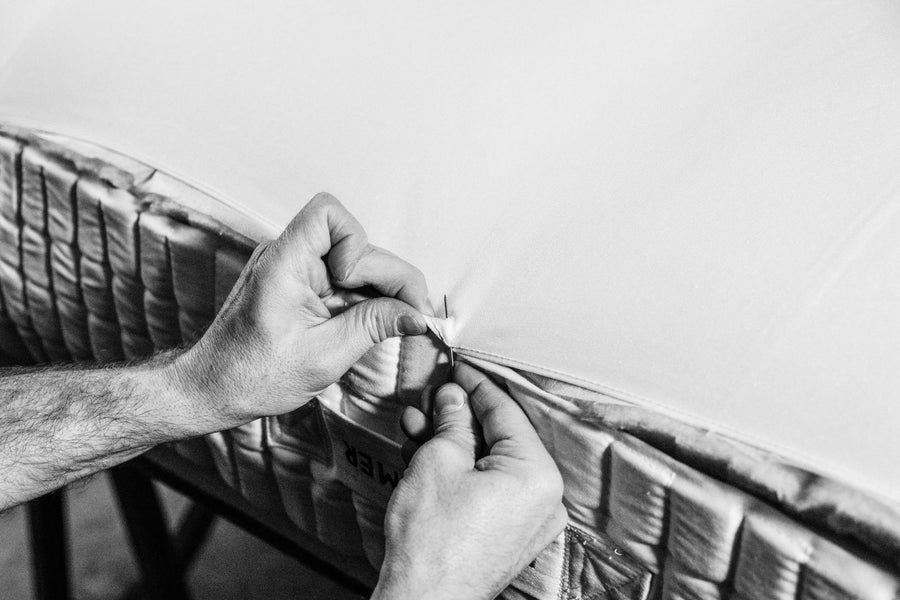
Vicuña, cashmere, alpaca, horsehair and wool, each laid by hand where it does its work.
Chosen for what they do to your sleep.
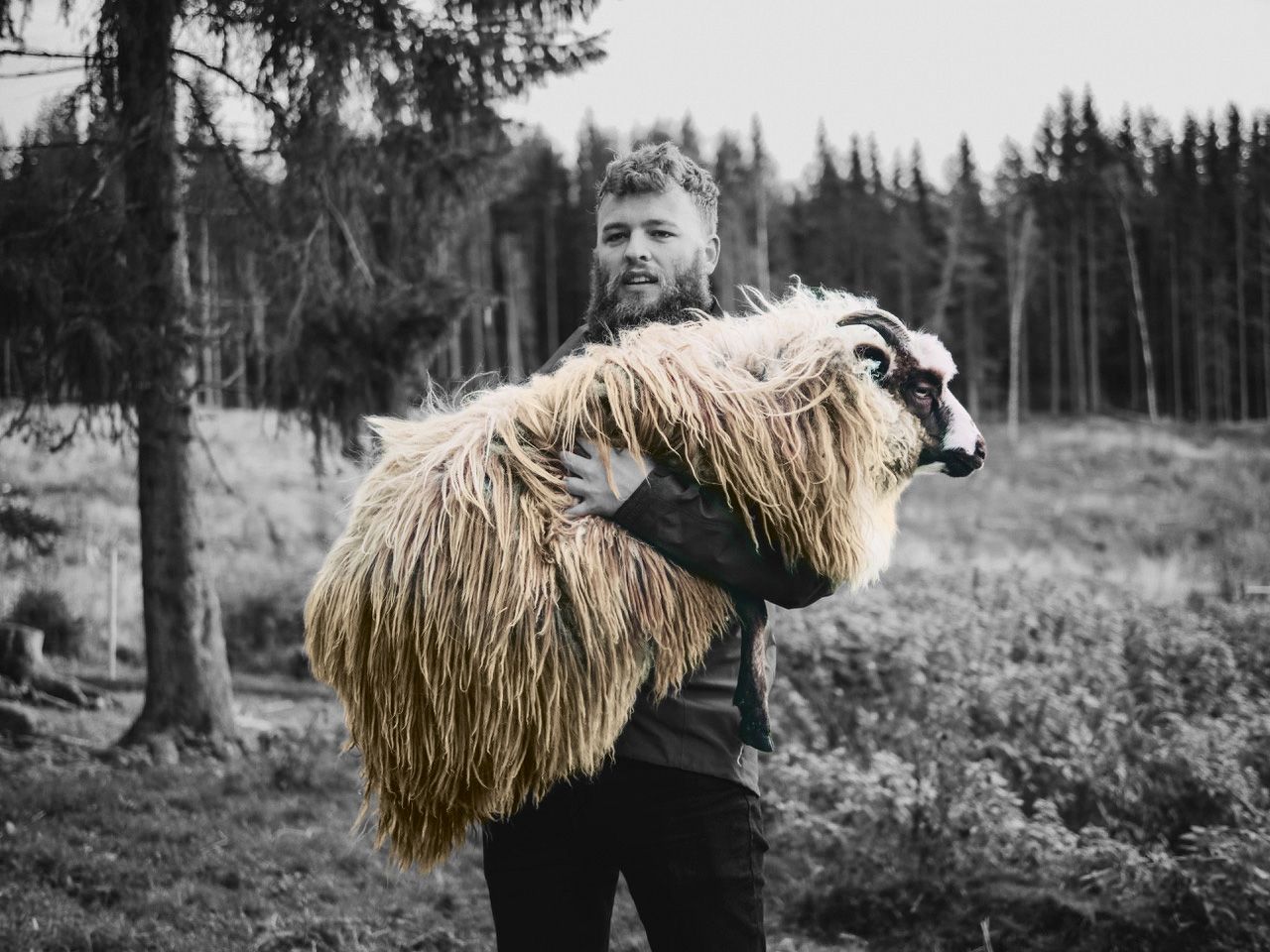
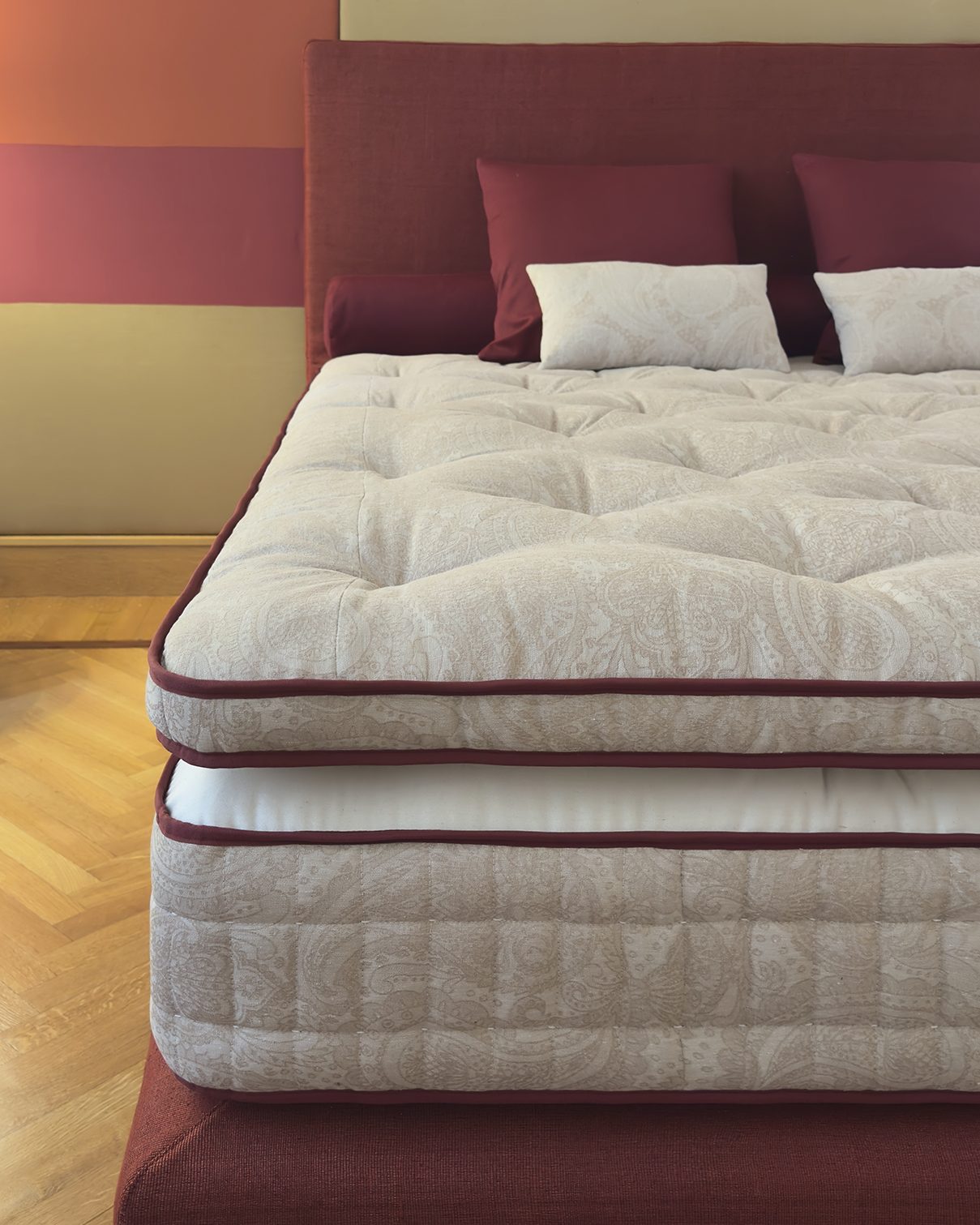
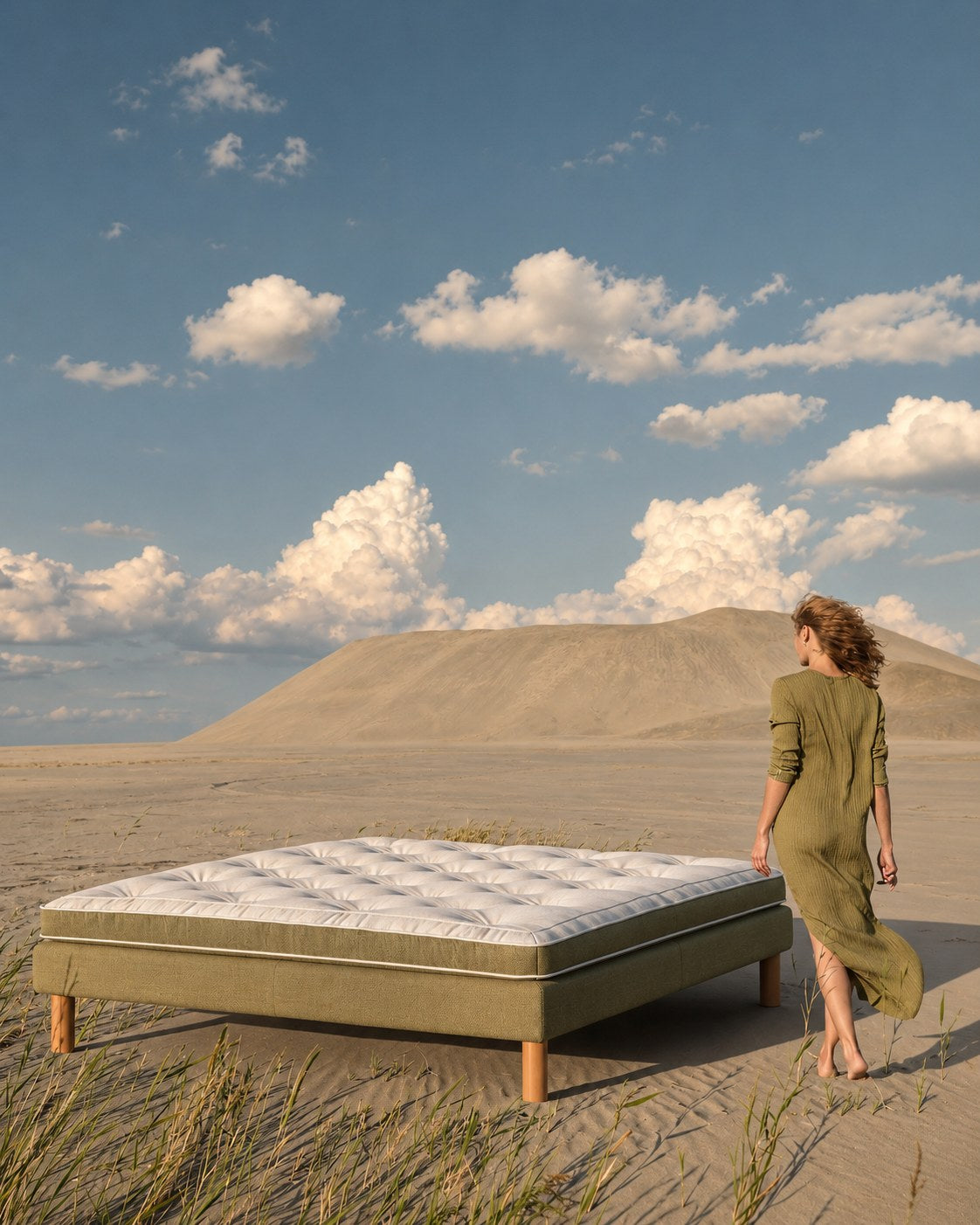
Our mattresses and bed bases are made only with natural materials, chosen for their quality, durability and comfort. They come from farms where animals are treated ethically: cashmere only from Mongolia, horsehair from Argentina, where horses live free, and wool from small farms. Read them by what matters most to you.
From animals


Softness · Warmth
It comes from a small camelid that lives wild in the high Andes; the Inca wove it for their kings, for its lightness and warmth. Its coat is twofold: a fine down that regulates warmth, and longer, silky fibres that protect.
Under the glassThe finest of the animal hairs, a sixth of a human hair, with small, smooth scales. The finer a fibre, the more readily it bends: against the skin, that is softness.
- 12 µm
- Across one fibre: finer than the best cashmere, at 15 µm.
- 150 g
- From one animal, every two years.
- 14
- Animals shorn for the vicuña of one mattress.
Warmth without weight
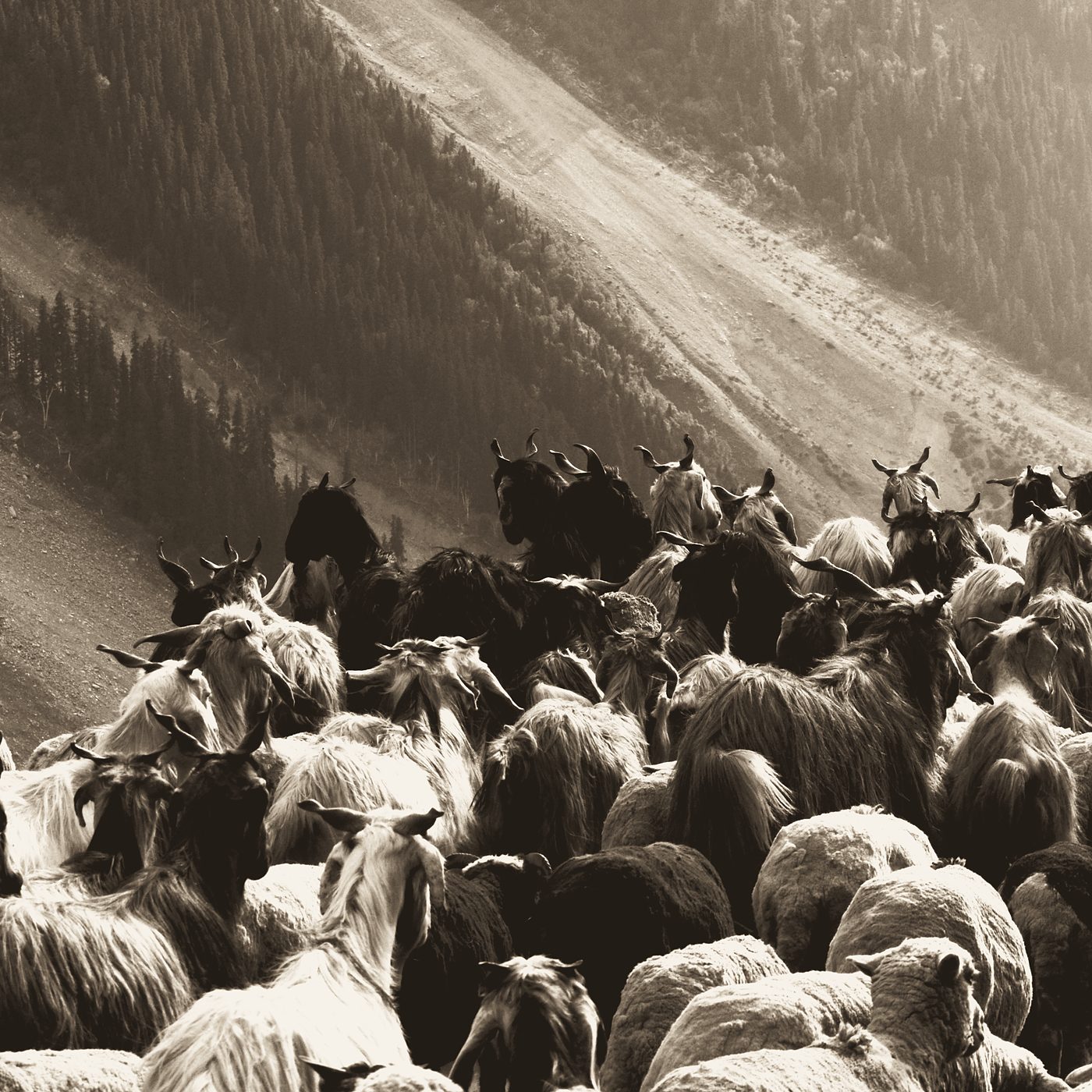
The fine undercoat of a goat, combed by hand as the goat moults, never shorn. Soft, silky and velvety, it gives warmth with lightness; even a little cashmere changes a mattress.
Under the glassThin, smooth-edged scales, set far apart, on a fine fibre: little for the skin to catch on. Between the softly waved fibres, still air gathers, warm and weightless.
- 100–200 g
- Of fine fibre from one goat, in a year.

Warmth · Temperature
It shields the camel from the extremes of the desert, cold and heat, and does the same in a bed. Fine and soft, it holds a great deal of air, and it is more hygroscopic than sheep’s wool: a dry, pleasant warmth.
Under the glassA fine down with shallow, smooth scales and a soft, irregular wave: the wave keeps the fibres apart, and that is where the air is held.
- 700 g
- At most, combed from one young camel in a year.

Warmth · Softness
A fine, very warm and particularly robust hair, soft and fluffy, with the look of cashmere. The yak is neither shorn nor combed: in May its winter undercoat falls, and the nomads gather it.
Under the glassSmooth, regular scales and a soft wave: the wave holds the fibres a little apart, and the still air caught between them is what keeps you warm.
Temperature · Hypoallergenic
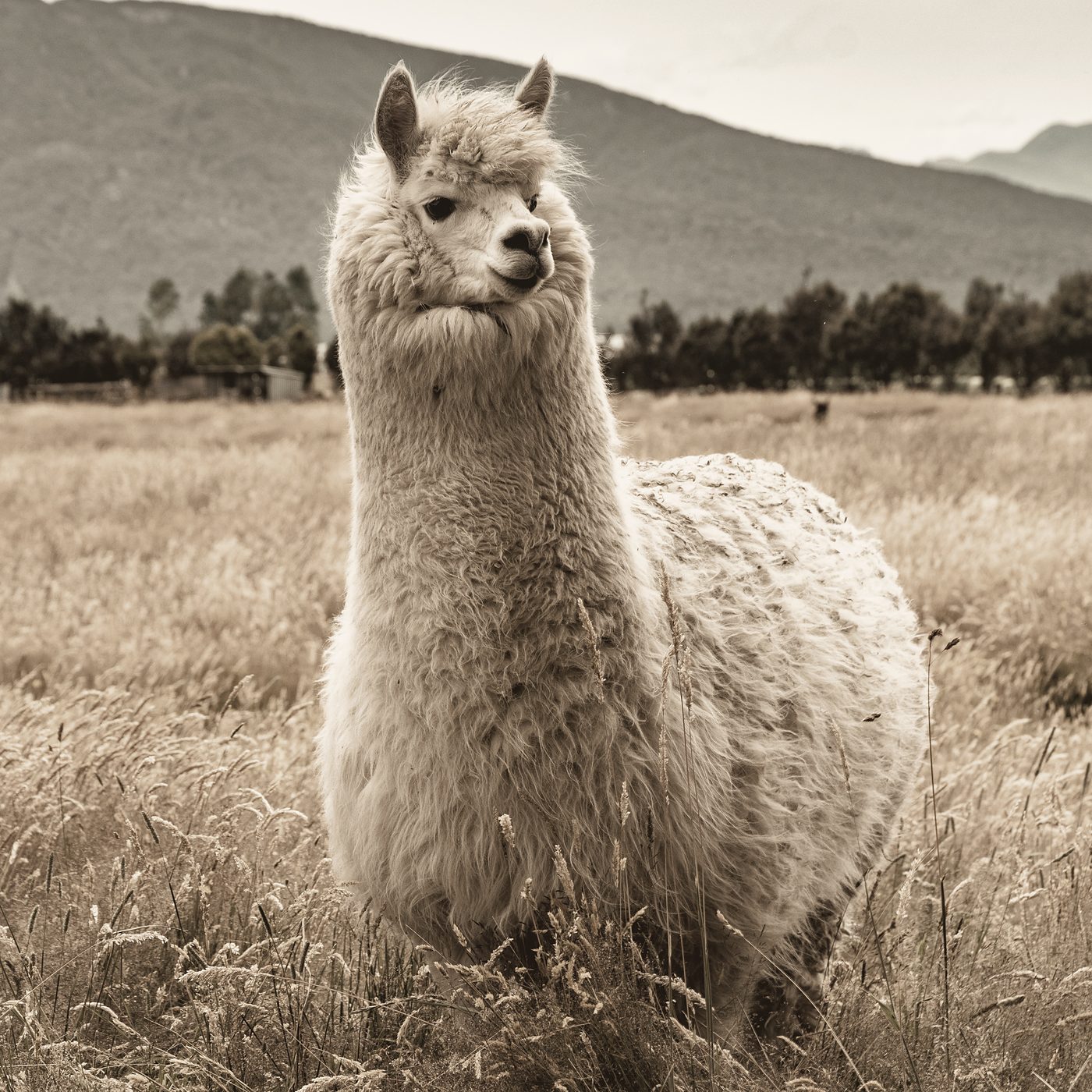
From an animal of the high South American ranges, with an abundant fleece, soft and almost silky. The fibre sits between wool and cashmere, nearer to cashmere; alpaca cloth was once kept for the Inca emperors.
Under the glassLow, flat scales make it smooth to the touch; some fibres carry a core of air along their length, which makes alpaca warm for its weight.
- No lanolin
- And so naturally hypoallergenic.

Warmth without weight
On the winter side of a bed, with cashmere, silk and wool: warmth without weight.
Under the glassThin, flat scales, few and far apart: light glances off them, which is mohair’s lustre. Thicker than cashmere, it is resilient and keeps its loft.

Temperature · Softness
The only animal fibre spun by a silkworm, fed on mulberry leaves. A continuous filament, fine and lustrous: light, insulating, elastic and flexible, held to be the finest and softest of the natural fibres.
Under the glassTwo filaments side by side, as the silkworm spins them, with no scales at all: nothing for the skin to catch on, so silk glides.
- 800–1,000 m
- Of filament from a single cocoon.
 AmalfiBed system
 BelliniBed system
 CapriBed system
 DreamyBed system
 FloraBed system
 Giotto RoundBed system
 Medium & High TopperTopper
 My DreamMattress
 PaisleyBed system
 RomaMattress
 Roma TopperTopper
 StorageBed system
 Thin TopperTopper
 TopBed system
 Ultra DryMattress
 VicuñaMattress
 VivaldiMattress
 Vivaldi PlusMattress

Support · Temperature
The most hygroscopic of the natural fibres. It keeps the body cool when it is warm and warm when it is cold, holds no static and resists mould. Ours comes from small farms: Cheviot, from Scotland, with the longest fibres, and Falkland.
Under the glassBold, overlapping scales and a deep wave, the crimp. The crimp keeps the fibres apart and full of air: wool stays lofty, breathes, and returns to its shape.
- ⅓
- Of its own weight in vapour, taken up without feeling wet.
- Never merino
- From the extensive farms of Australia.
AmalfiBed system BellagioMattressBelliniBed system
 BreraBed systemCapriBed systemDreamyBed system
 Dreamy SpringsMattress
 EssenzialeMattressFloraBed systemGiotto RoundBed systemMedium & High TopperTopperMy DreamMattressPaisleyBed system
 RaffaelloMattressRomaMattressRoma TopperTopperStorageBed systemThin TopperTopperTopBed systemUltra DryMattressVicuñaMattressVivaldiMattressVivaldi PlusMattress
Support · Breathability
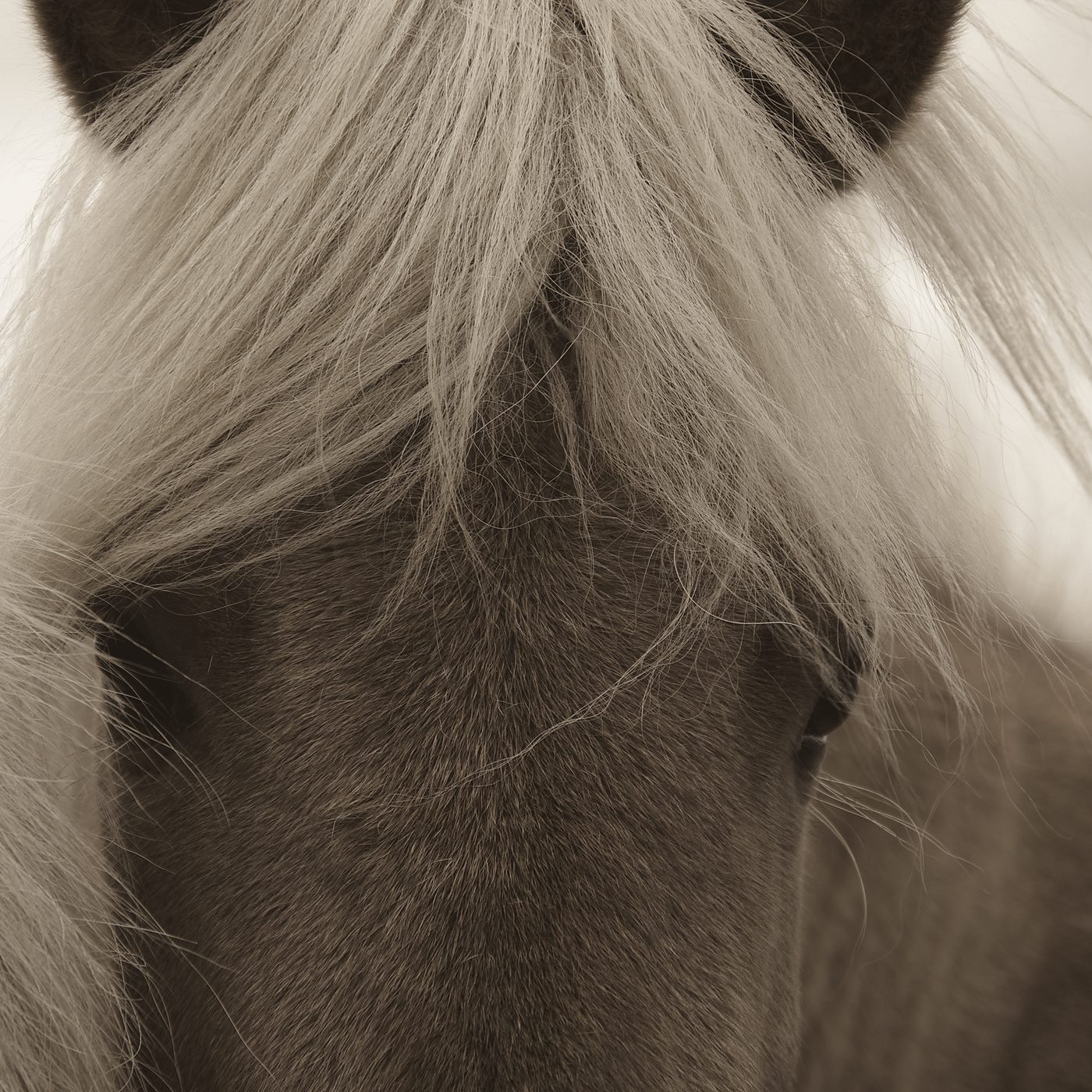
Used in upholstery for centuries because it is elastic and flexible, and curling makes it more so. Like wool, it takes up the moisture of the night and gives it back to the air by day, keeping the bed fresh.
Under the glassUp to three times as thick as a human hair, with a core along its length: thick enough to hold its shape under weight, with open space for the air between the hairs.
- Horses only
- Never the hair of other animals.
From plants

Breathability · Freshness
From the stem of the flax plant, grown in the cool regions of northern Europe. A good conductor of heat, it feels cool against the skin: the fibre of the summer side.
Under the glassStraight fibres marked by small nodes, with a fine channel at the centre. Smooth and straight, they touch the skin closely: that close contact is what carries warmth away.
- 20%
- Of its own weight in moisture, absorbed.


Breathability
Only from organic farms that keep to fair working conditions, since ordinary cotton crops use huge amounts of chemicals. Fresh and very breathable, for the warm months.
Under the glassA flat ribbon that twists on itself: the twists let the fibres hold one another in a soft, even yarn, and the fibre takes up moisture readily.

Support · Breathability
Fibres from the leaves of palms, mainly the dwarf palm of southern Italy and Sicily, known as St Peter’s palm. The leaves are dried, curled and braided into ropes, like horsehair: soft, resilient and practically indestructible.
Under the glassCoarse, ridged fibres of the palm leaf, far thicker than a human hair: stiff enough to hold their shape, with open paths for the air between them.

Breathability · Freshness
A sustainable fibre derived from maize. With wool, linen and cotton, it is on the summer side: fresh and breathable.
Under the glassMade, not grown: smooth, round filaments, all of one size, with none of the scales, nodes or twists of the natural fibres.
Freshness · Breathability
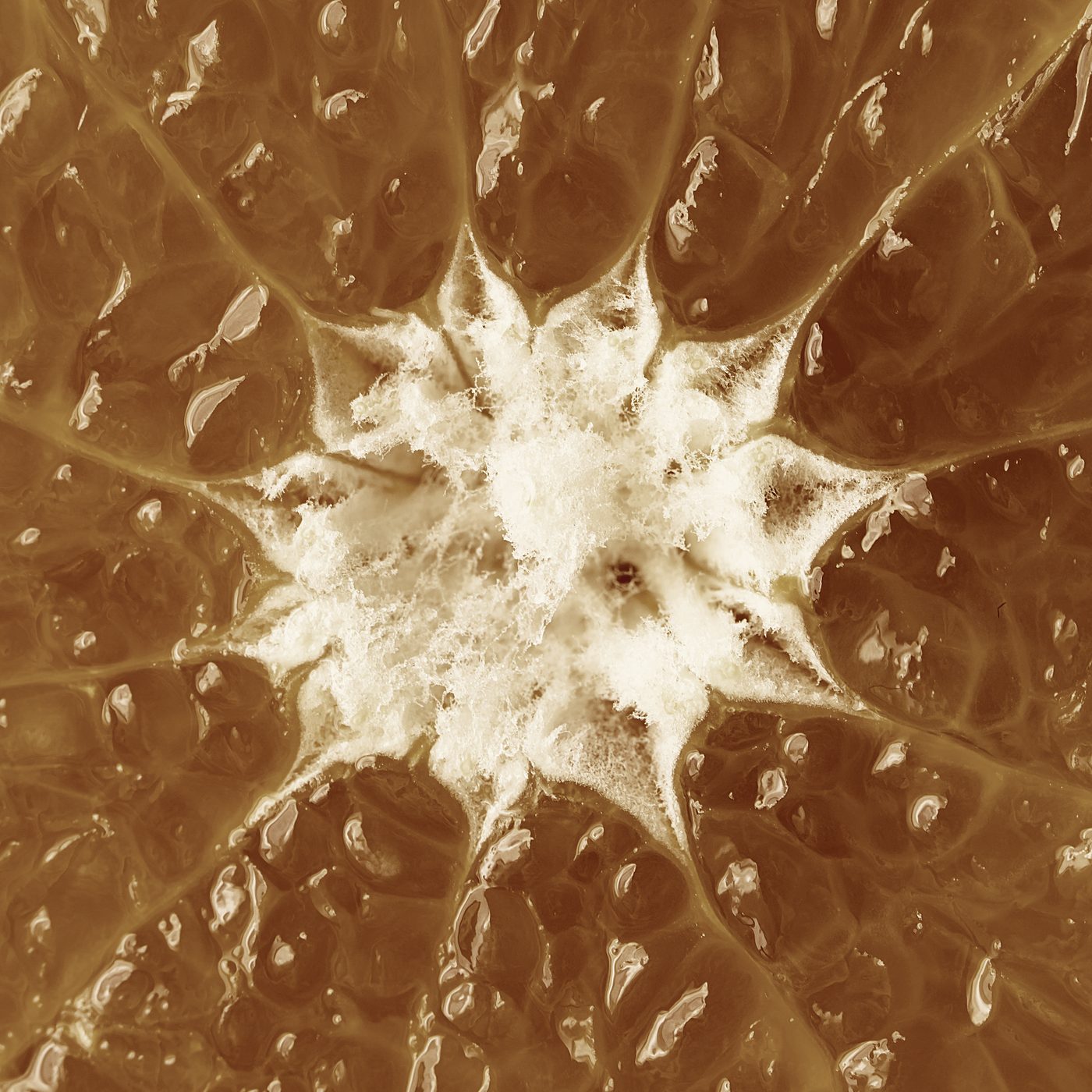
An innovative, sustainable material made from Sicilian orange peels: light, breathable and naturally fresh.
Under the glassFine, even filaments of cellulose, the substance of every plant, here drawn from orange peel: even and silky to the hand.