

Sleep Culture
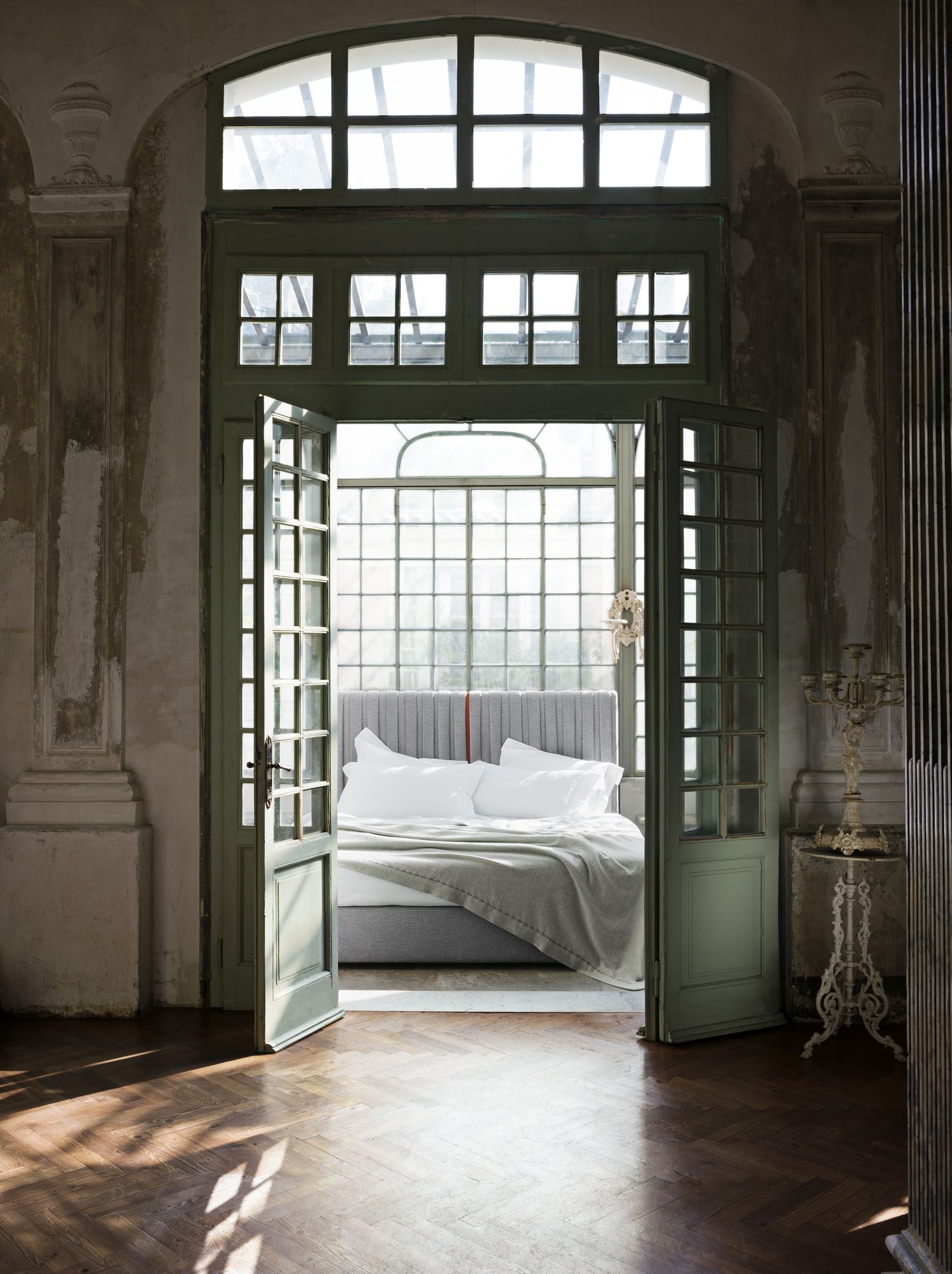
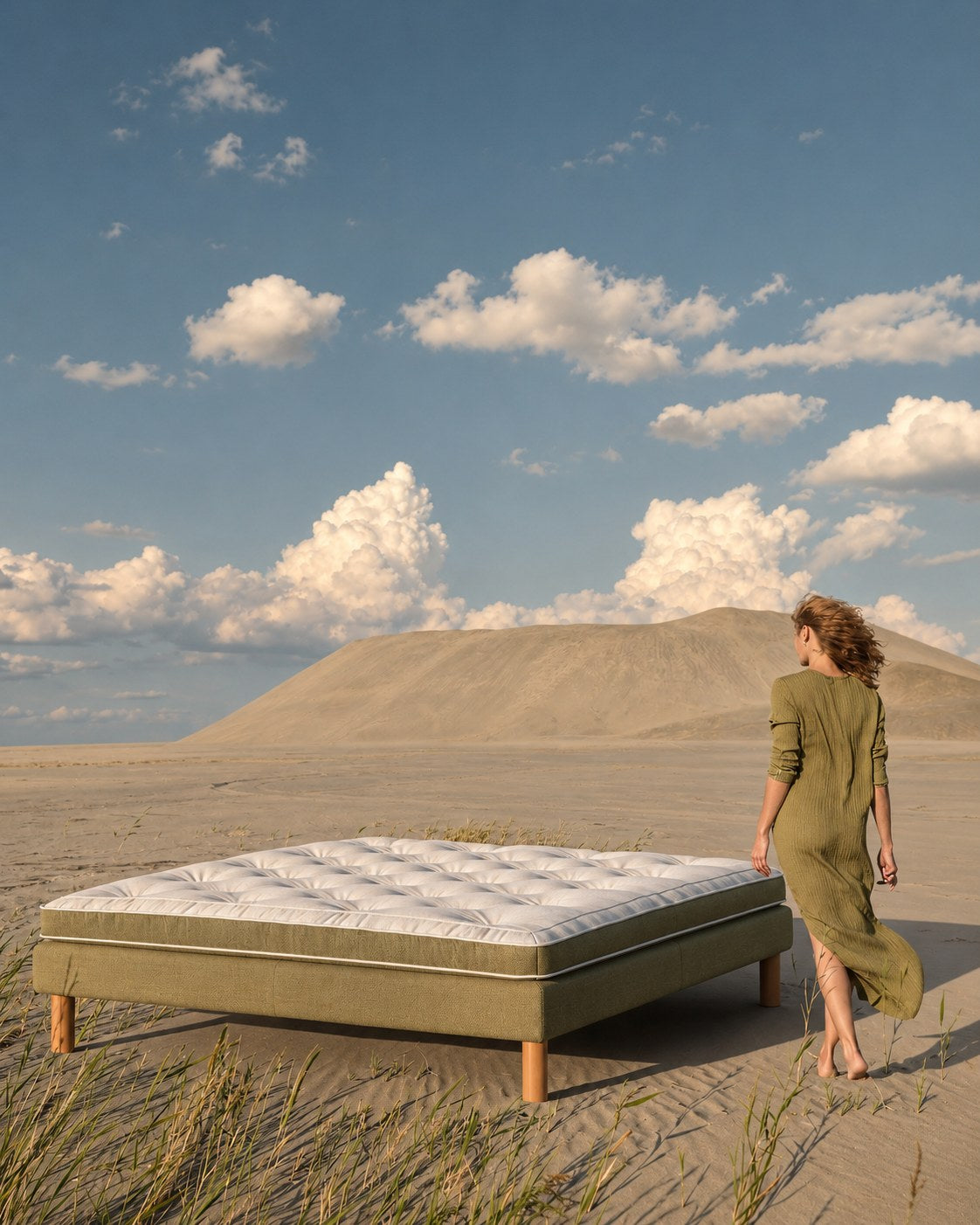
Rest, designed with the same rigour as the room around it.
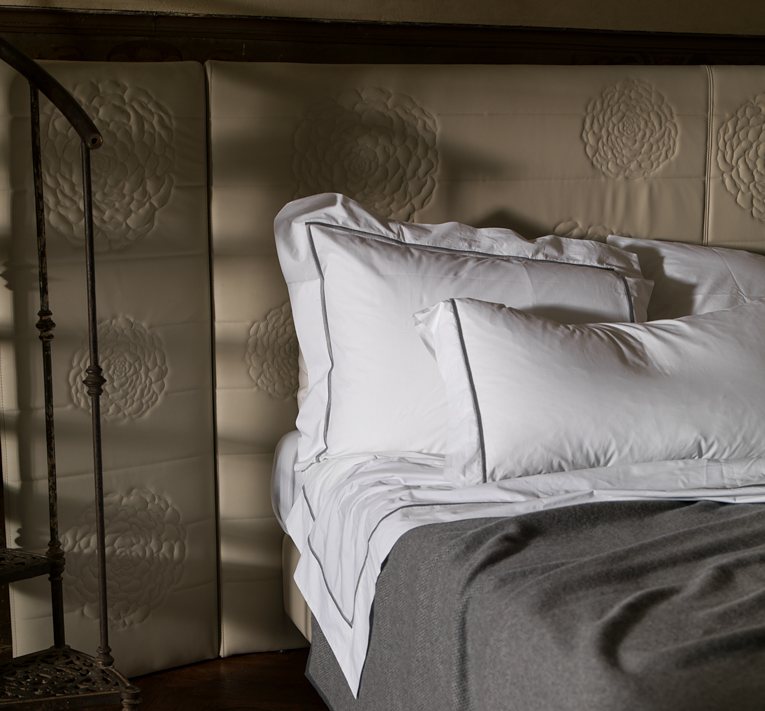
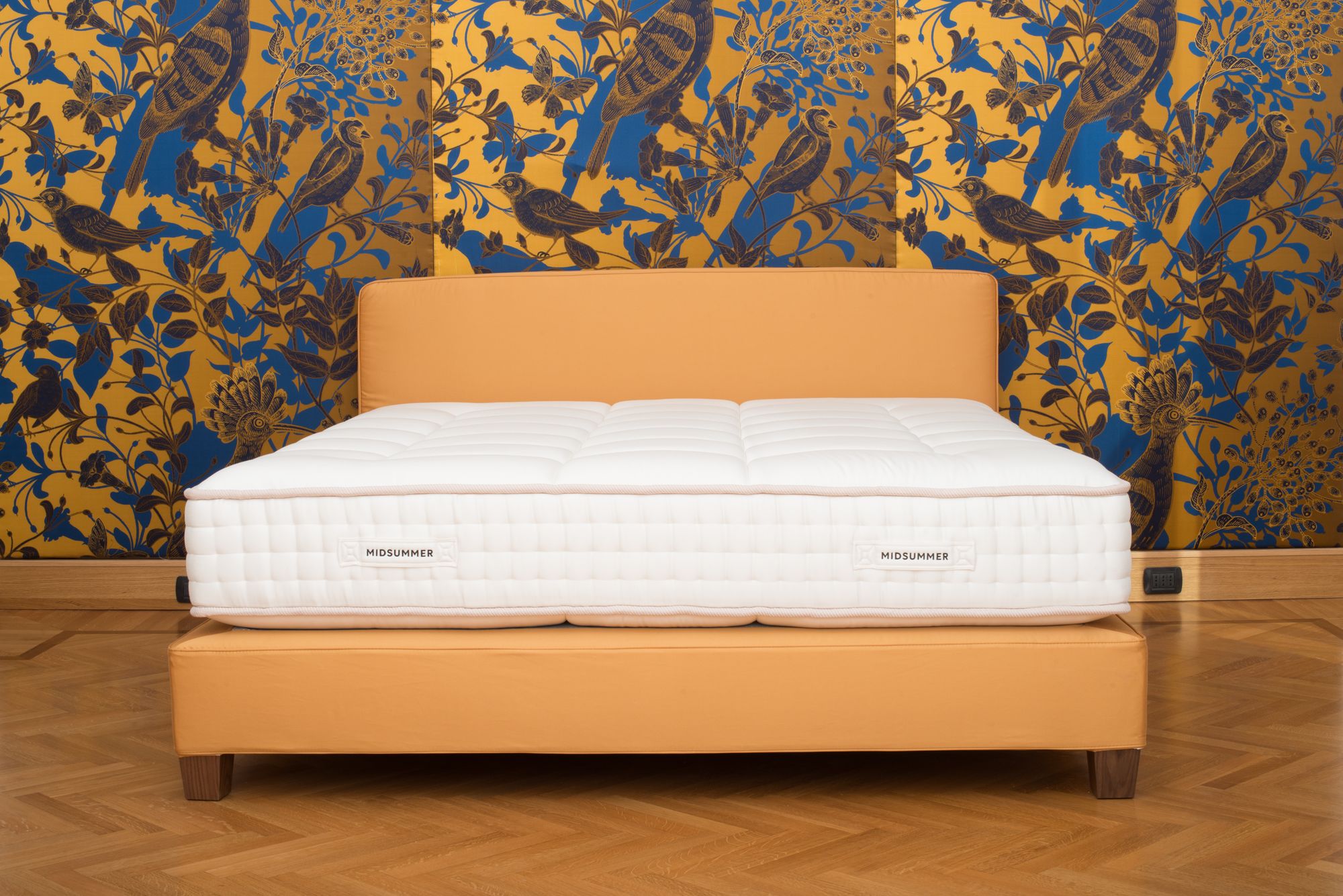
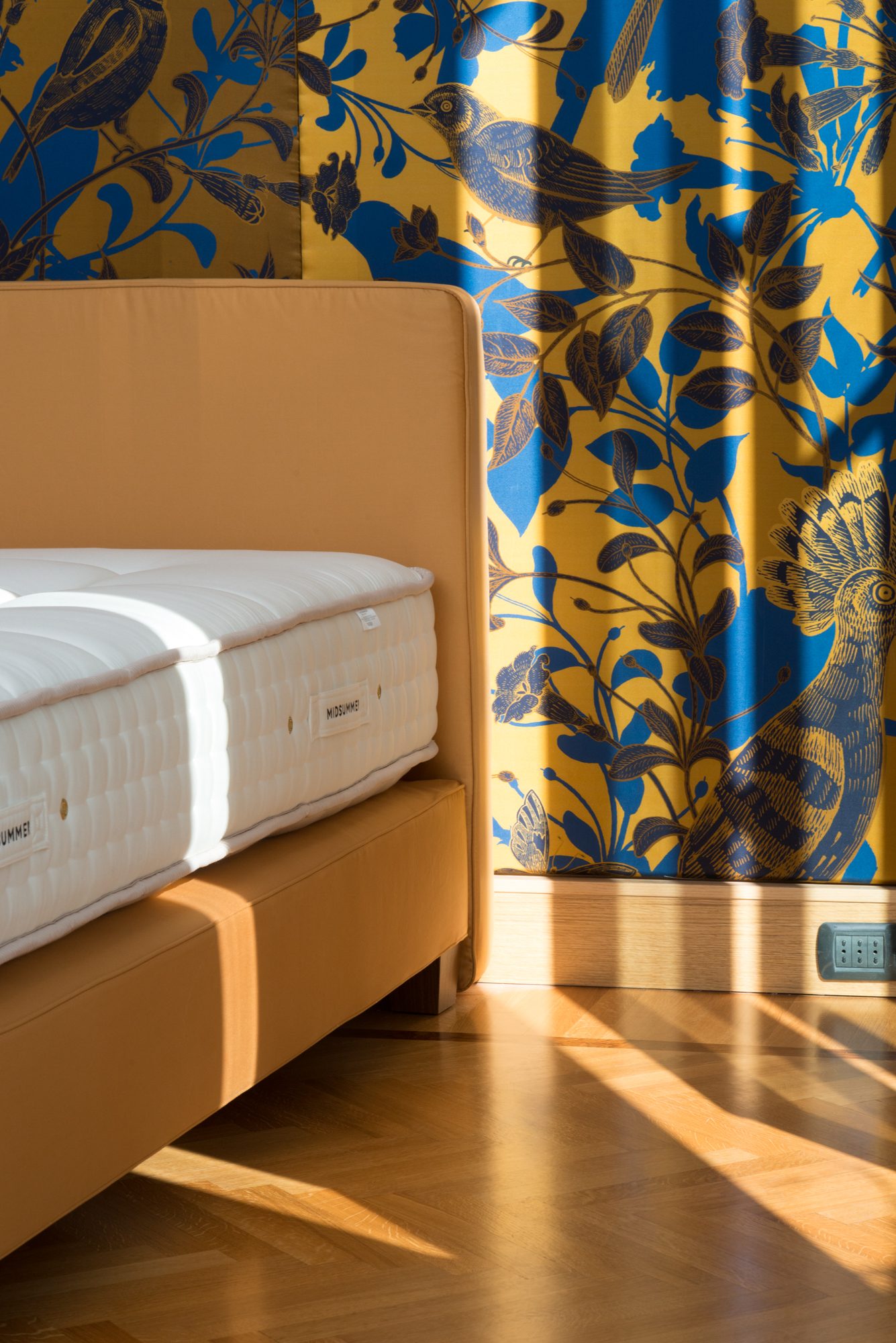
A sofa gets specified. A kitchen gets designed. The bed, where we spend a third of our lives, deserves the same care.
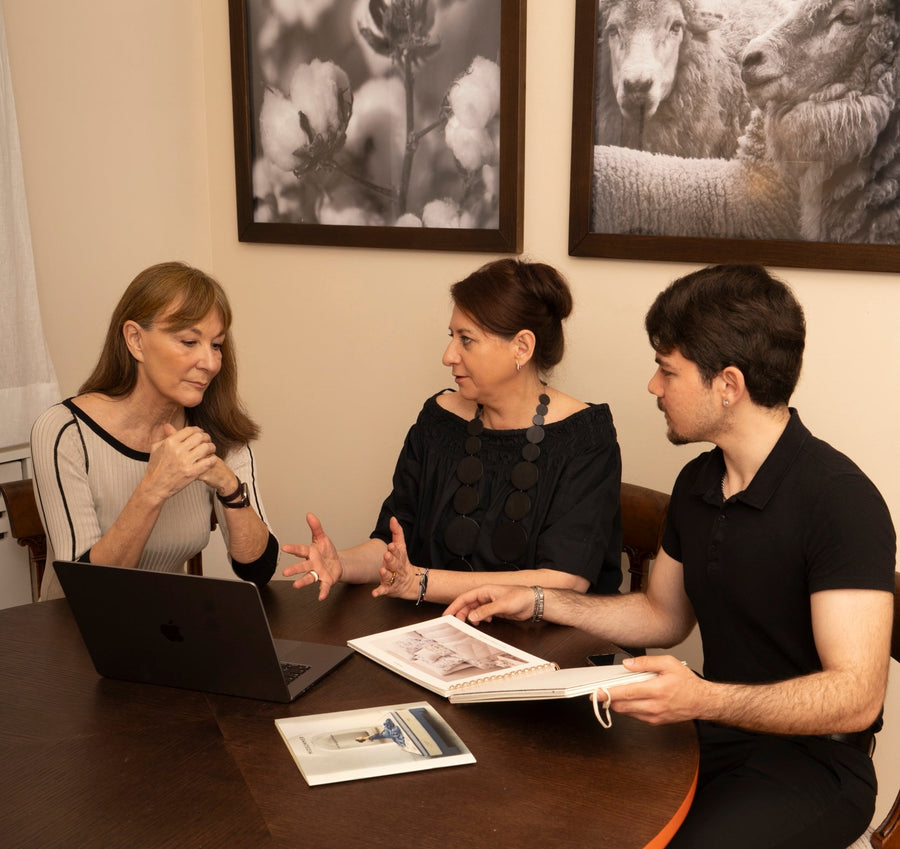
Midsummer Milano began with a question its founder, an architect, kept asking: why is the bed treated as a technical product from a catalogue, when every other piece of a room is chosen with care?
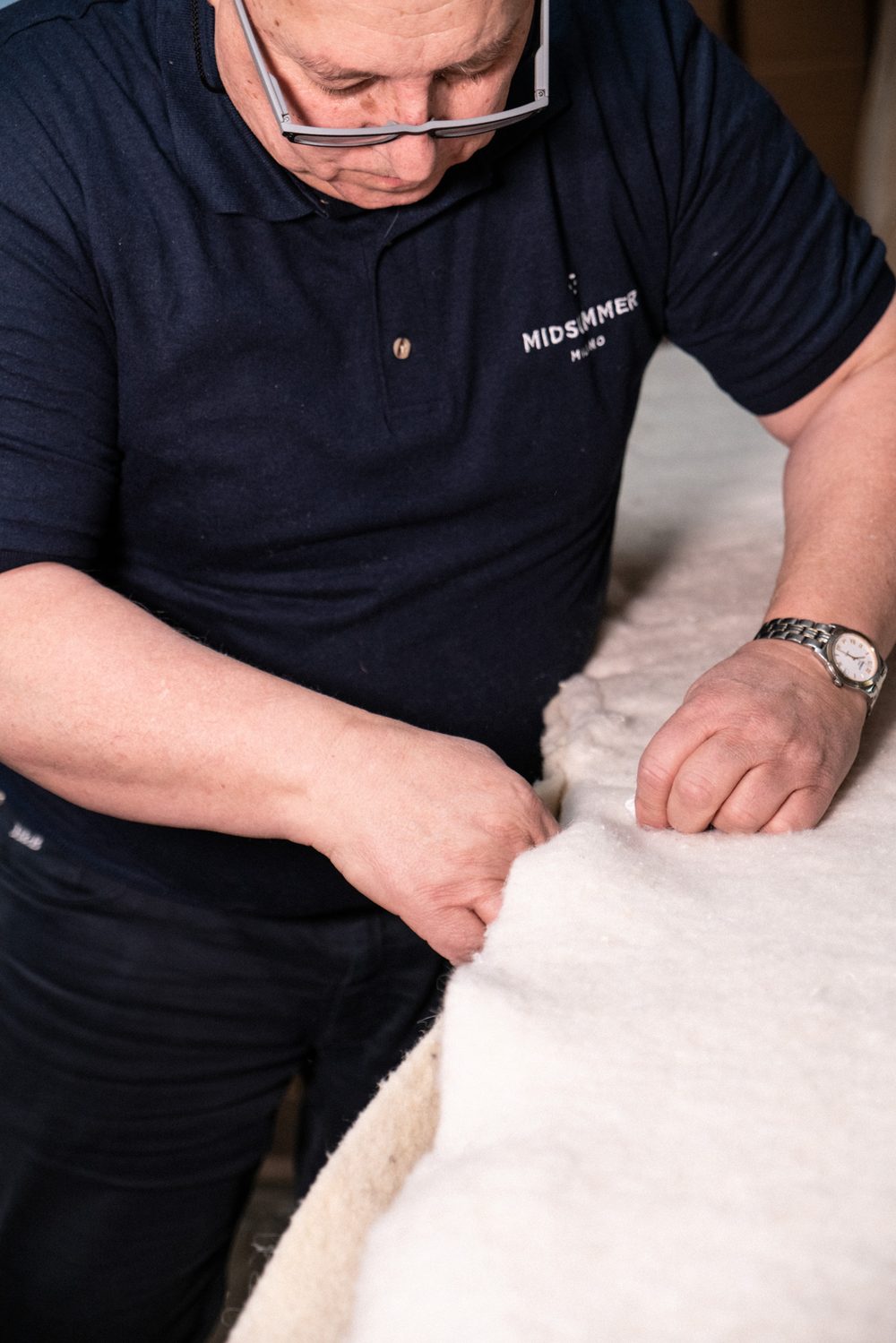
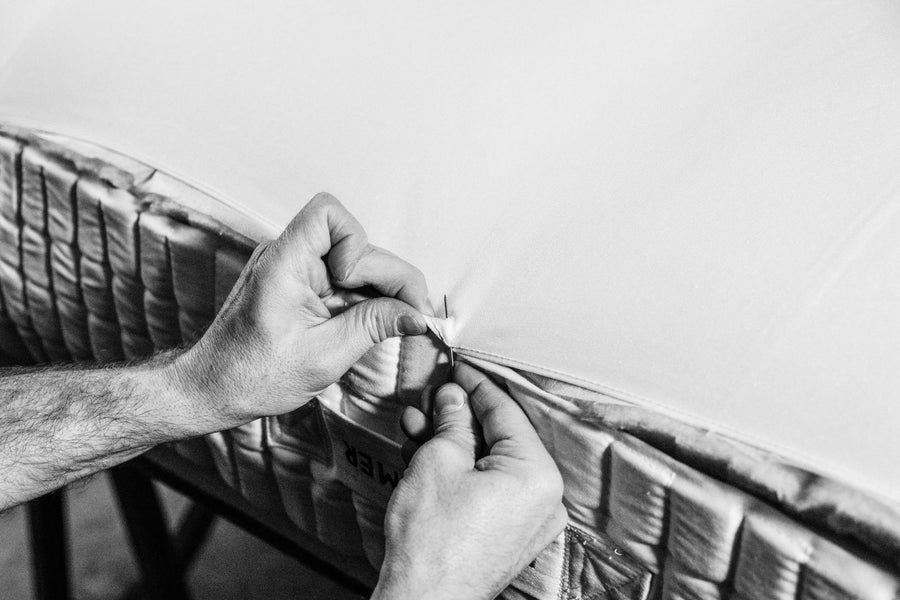
Sleep Culture is where we follow that question: how material, temperature, proportion and ritual shape the night, and what making beds by hand, and listening to the people who sleep in them, has taught us.
A night, as the bed lives it.
Eight hours, give or take, in one place. Choose an hour to see what the bed is doing while you sleep.
The body lets go of the day and gives off its warmth. Natural fibres take it in and let it pass, so the bed feels neither cold nor close.
The body is at its heaviest and stillest. A bed made by hand follows its line, so that the shoulders and the hips rest without pressing.
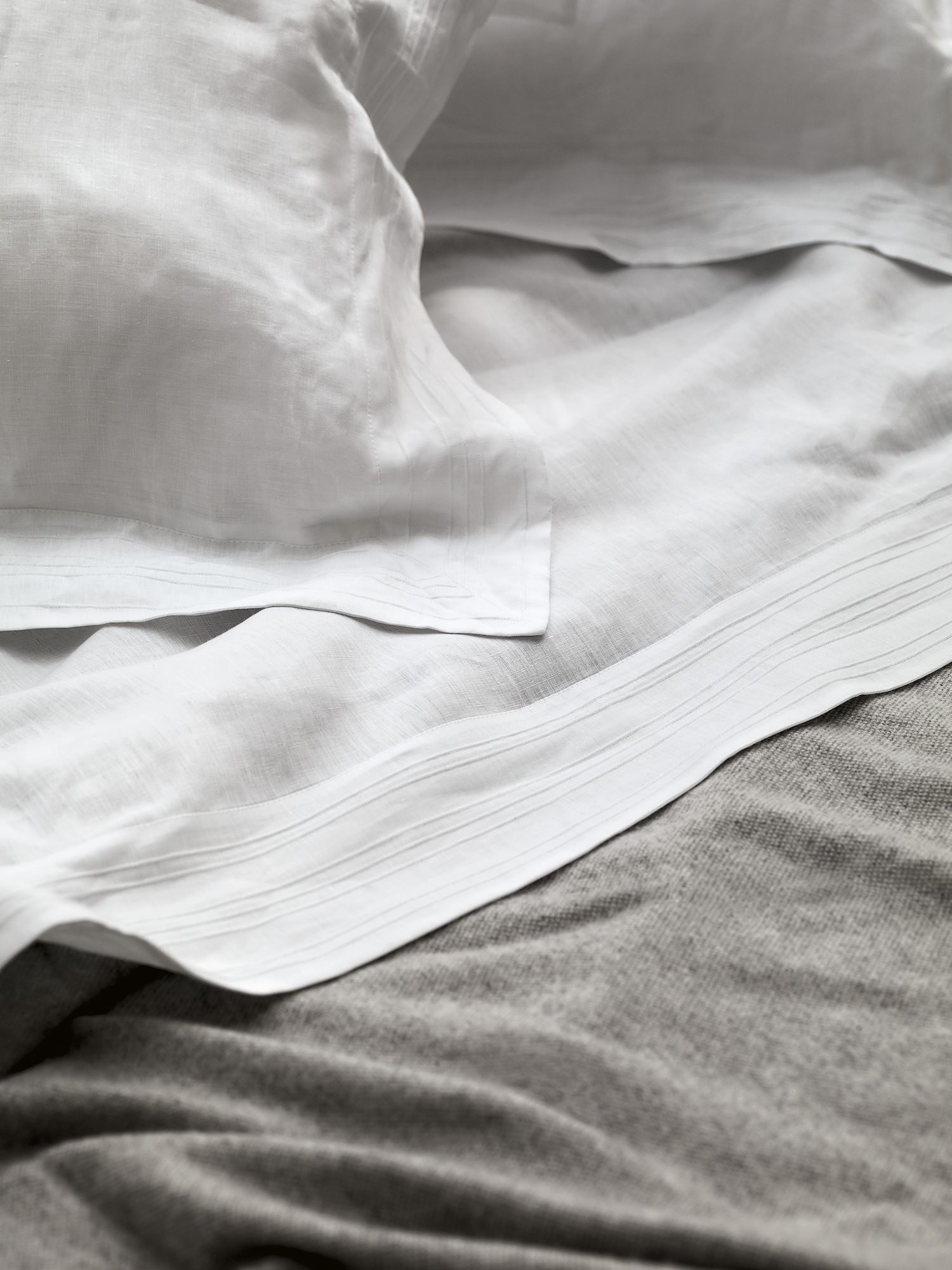
In the small hours the body runs at its coolest. Wool keeps the warmth close in winter; in summer, linen and silk let it go.
Sleep grows lighter and you turn more often. The bed answers each turn quietly, and settles again.
Leave the covers turned back for a while: the fibres give up the night’s moisture to the air, and the bed is fresh again by evening.
Three things we design for.
 01
Temperature
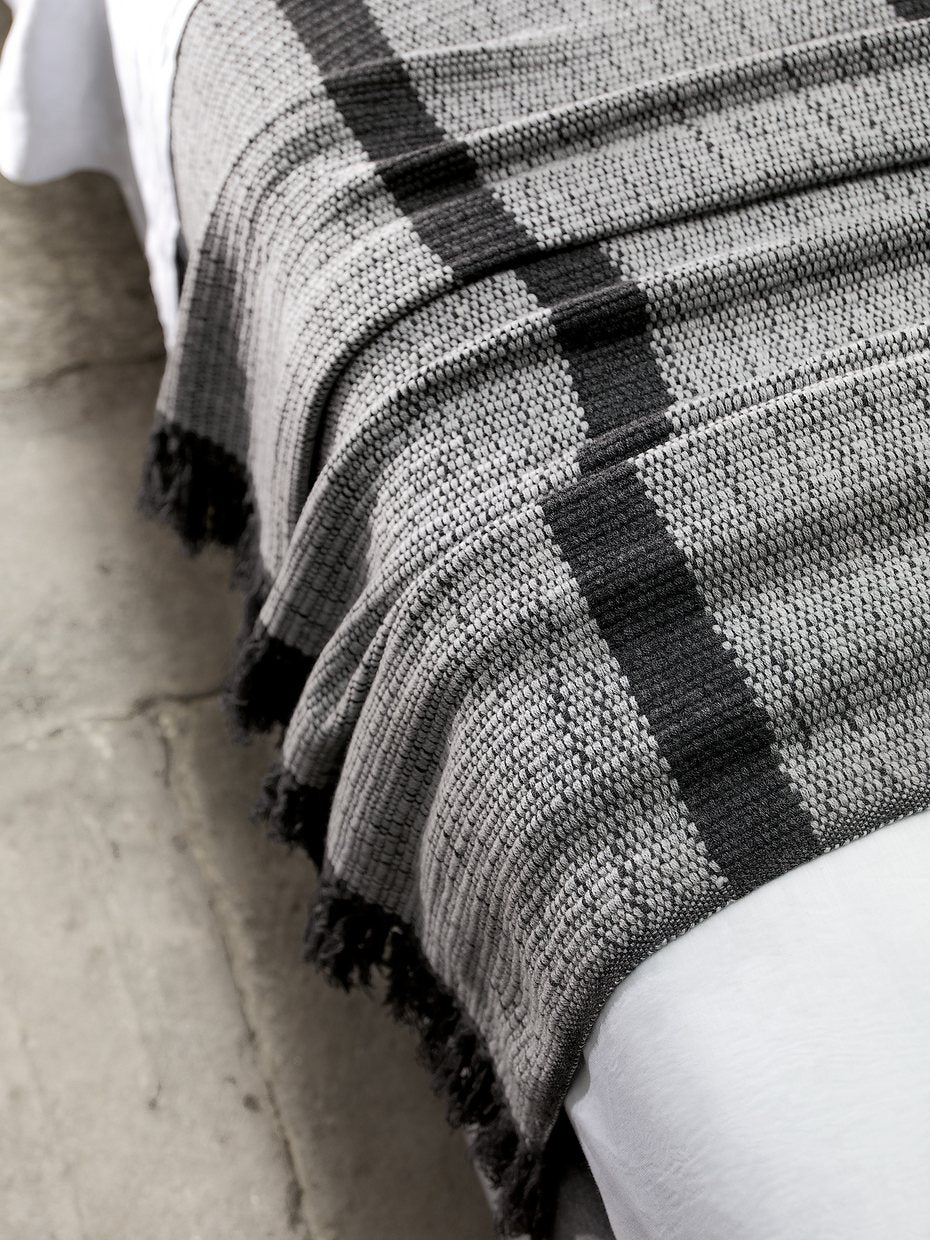
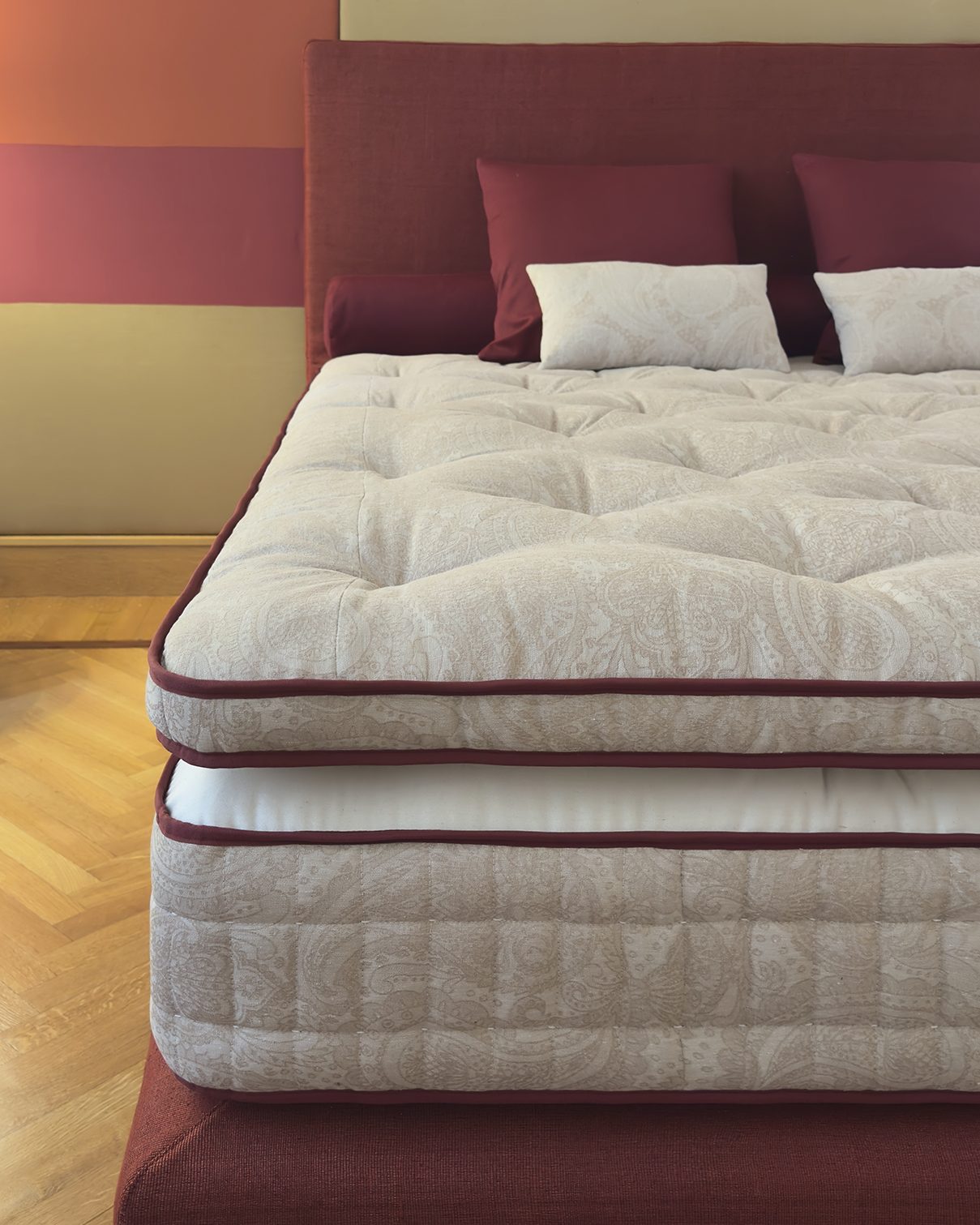
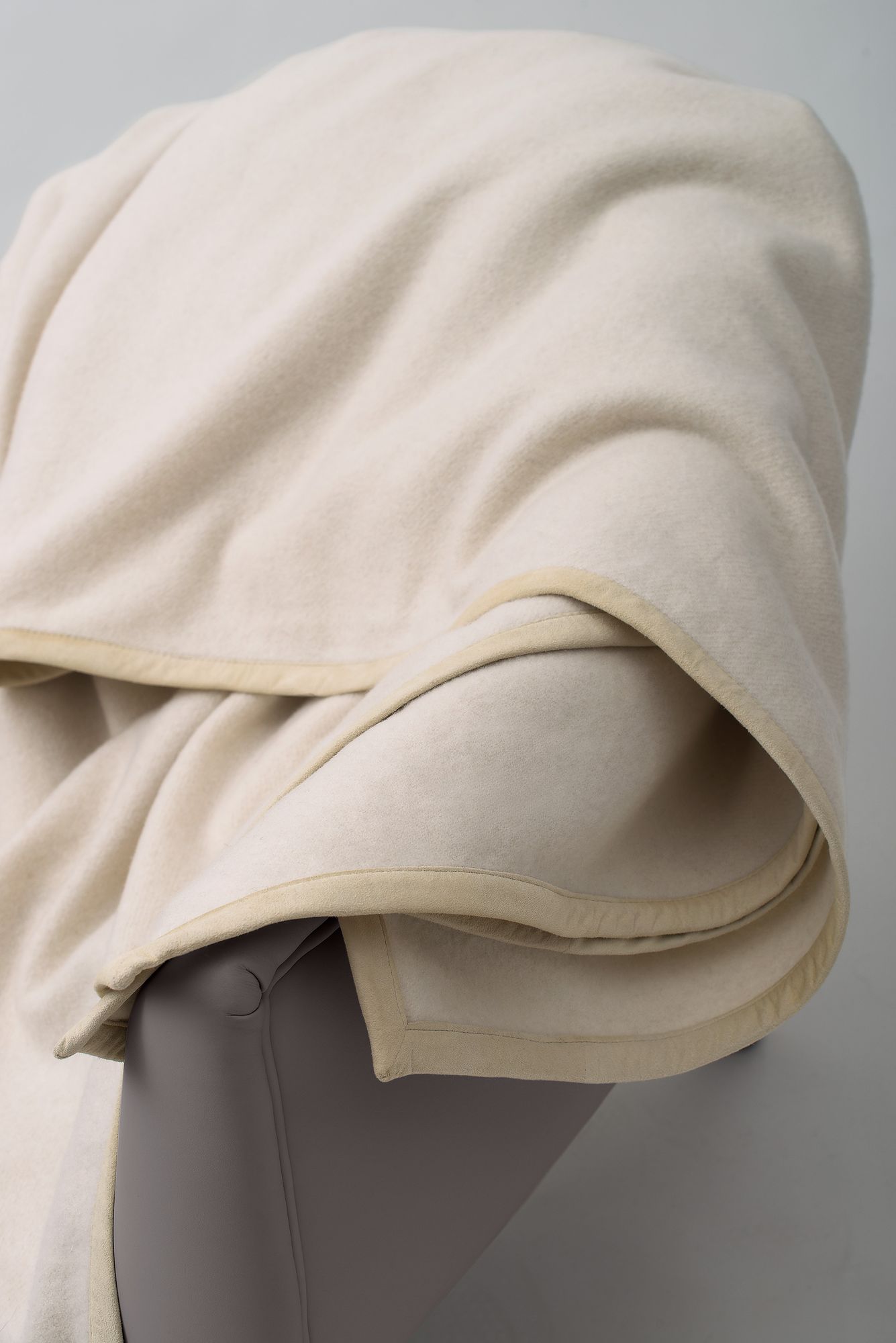
Natural fibres breathe. Wool and horsehair carry warmth and moisture away from the body, so the bed stays even through the night, in August as in January.
 02
Support
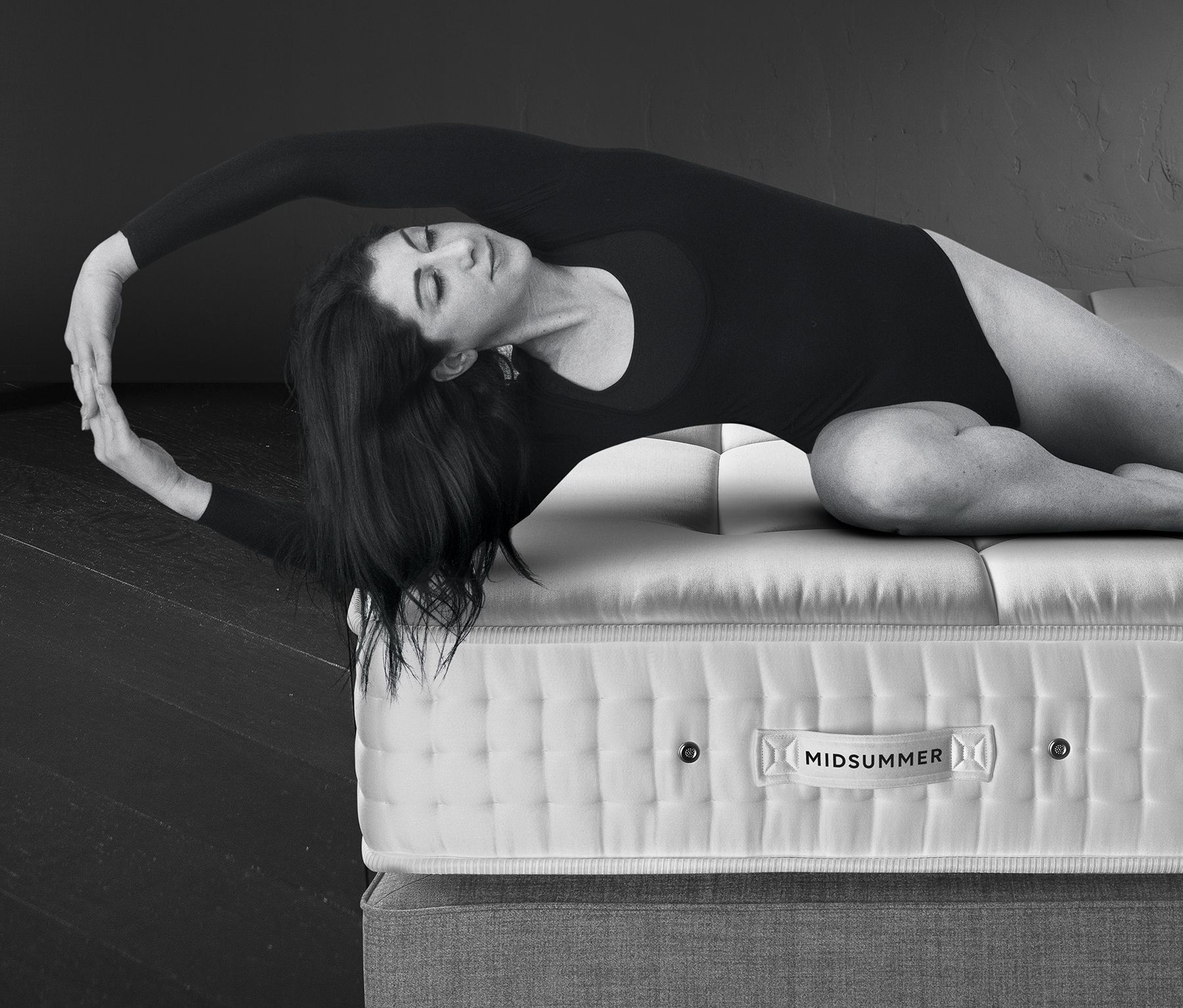
A core built by hand follows the body instead of pushing back against it, at every point and in every position you sleep in.
 03
The seasons
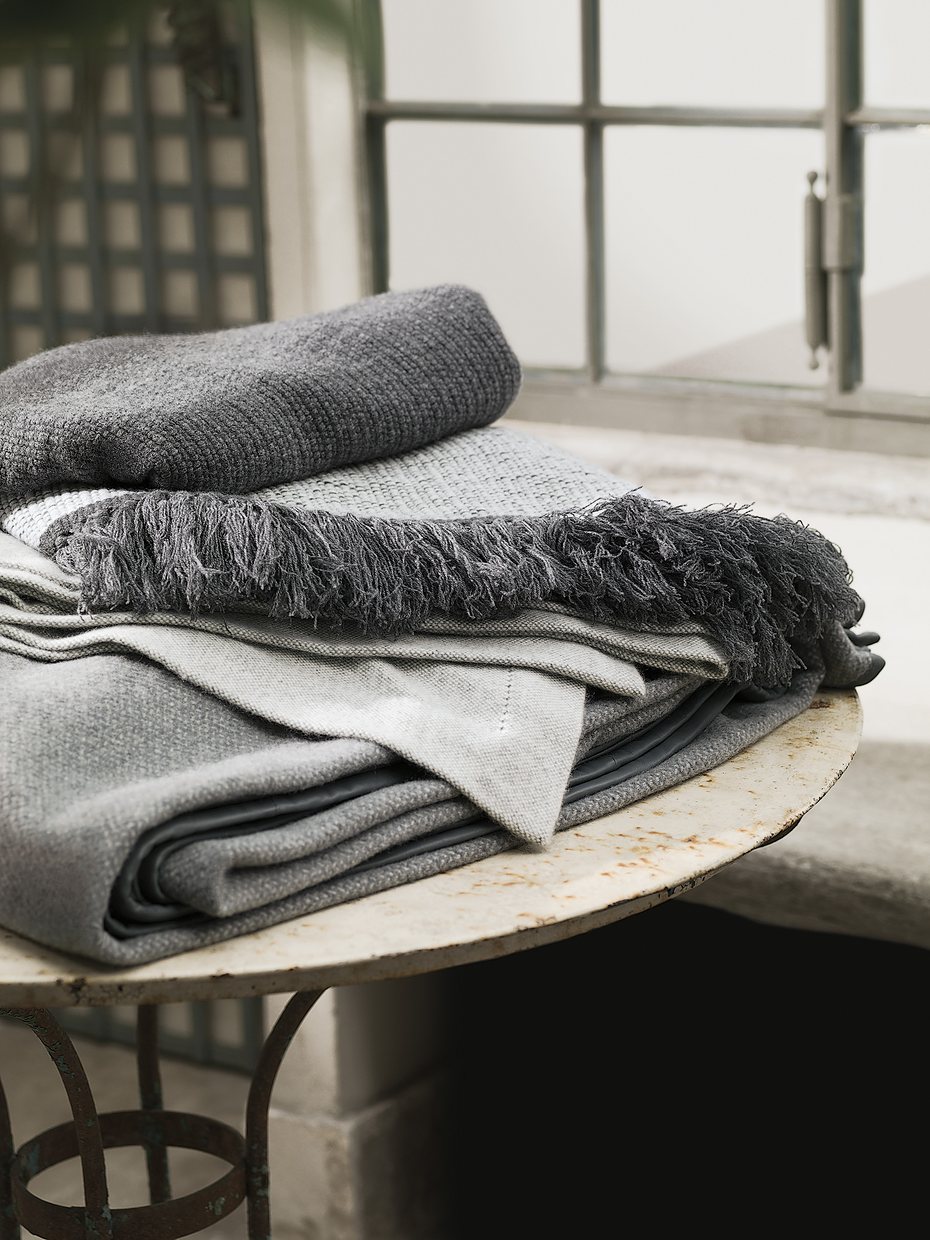
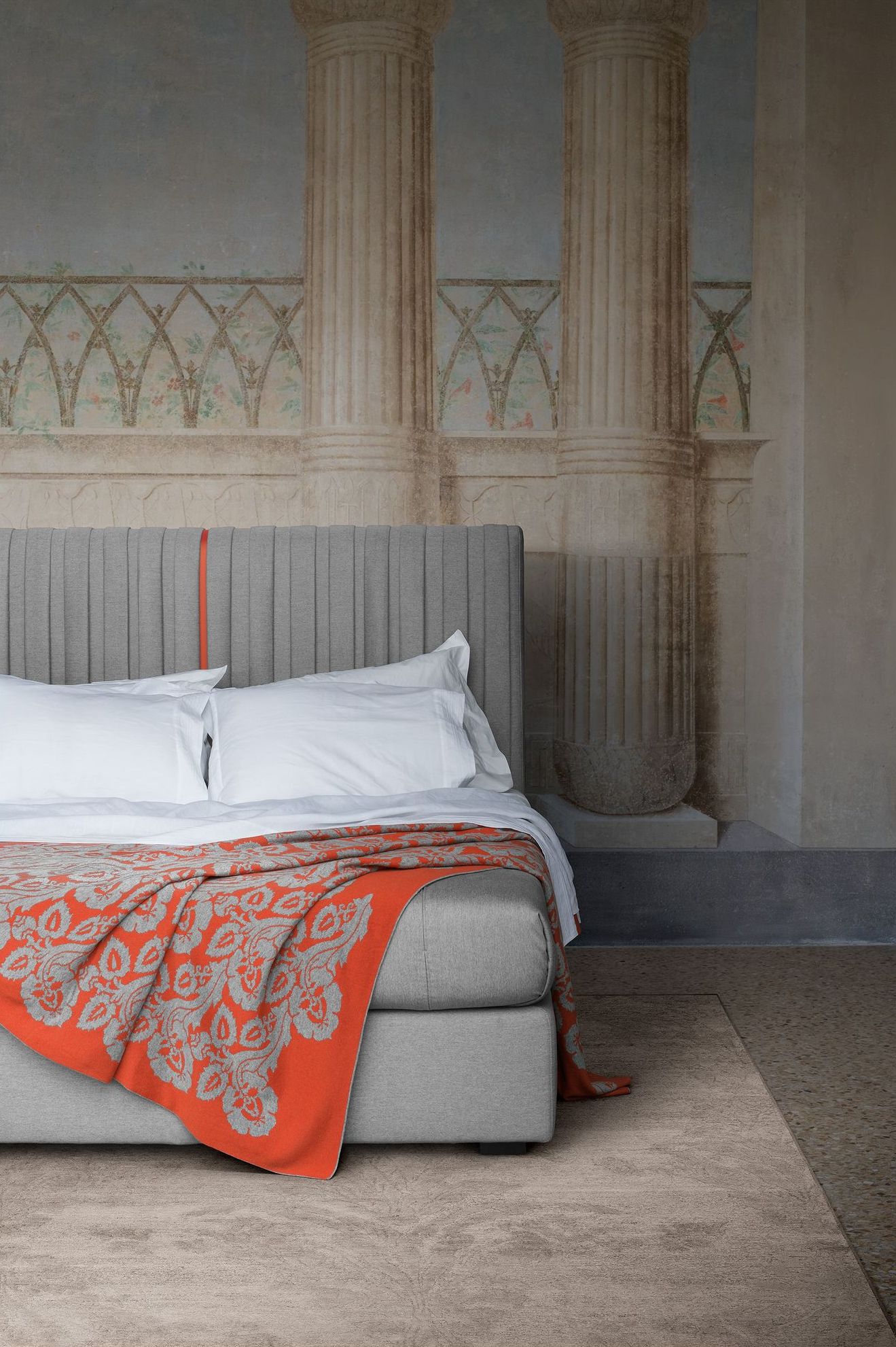
Rest has a rhythm. Our toppers turn with the year: linen and silk to face the summer, wool and cashmere for the winter, in the same bed.
Rooms kept for rest.