

Design Therapy
I am an architect before I am a mattress maker, and I still believe in the same things: proportion, harmony, materials and colour.
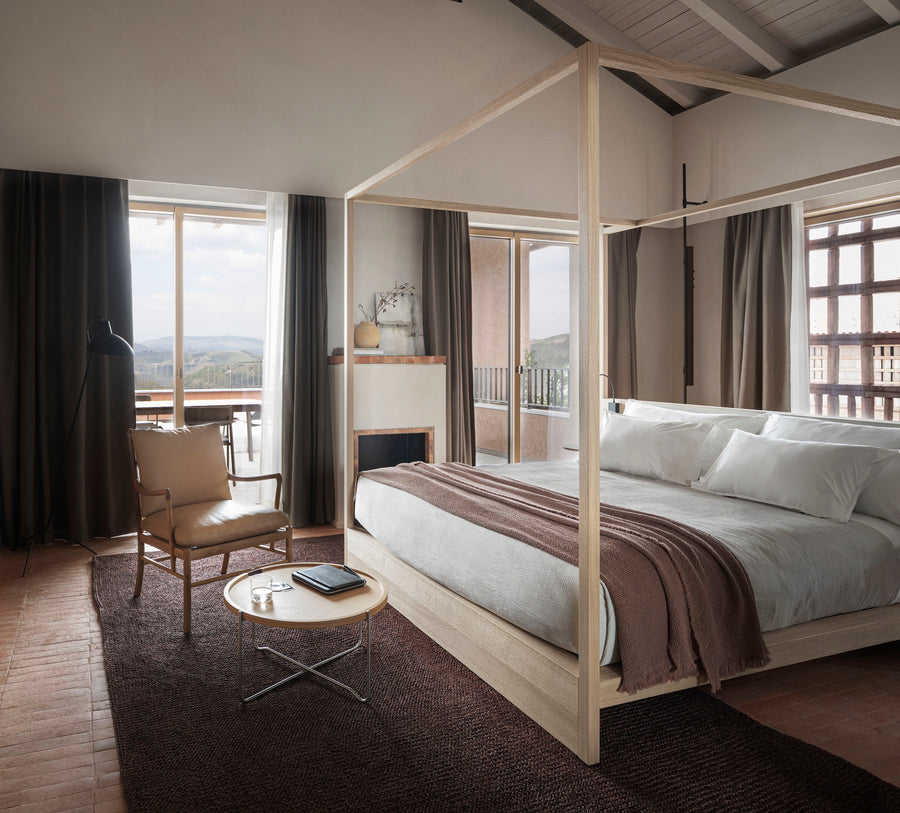
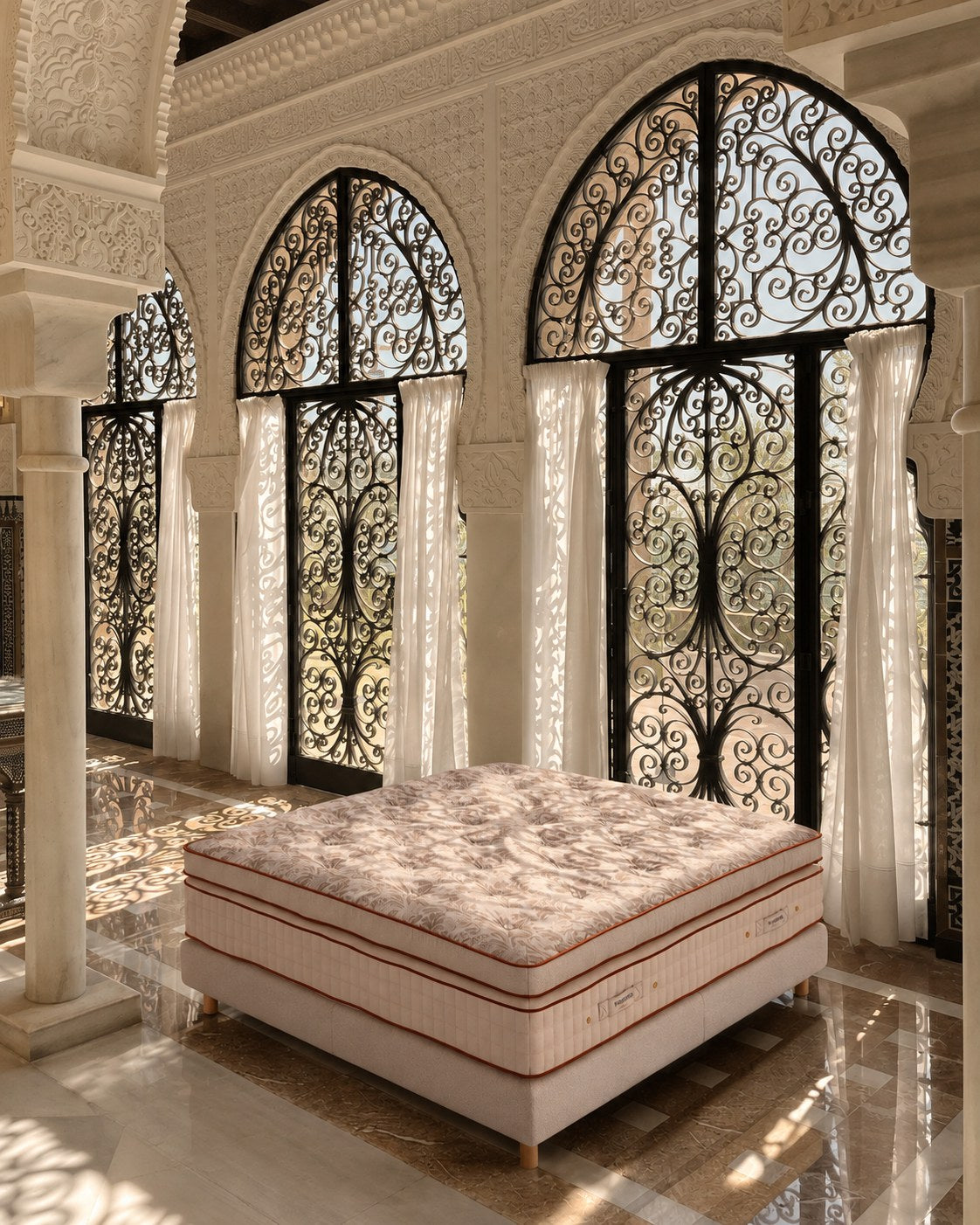
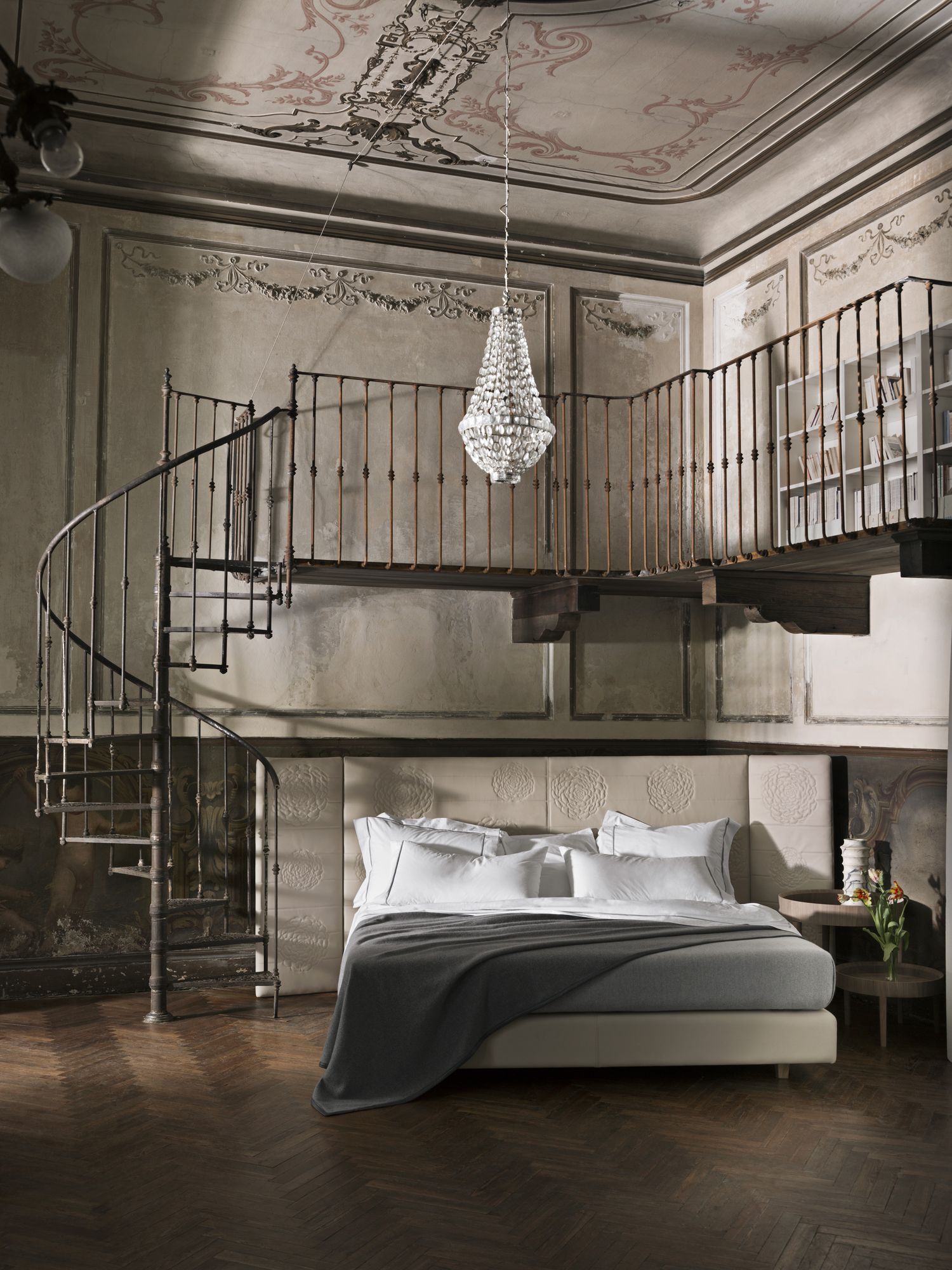
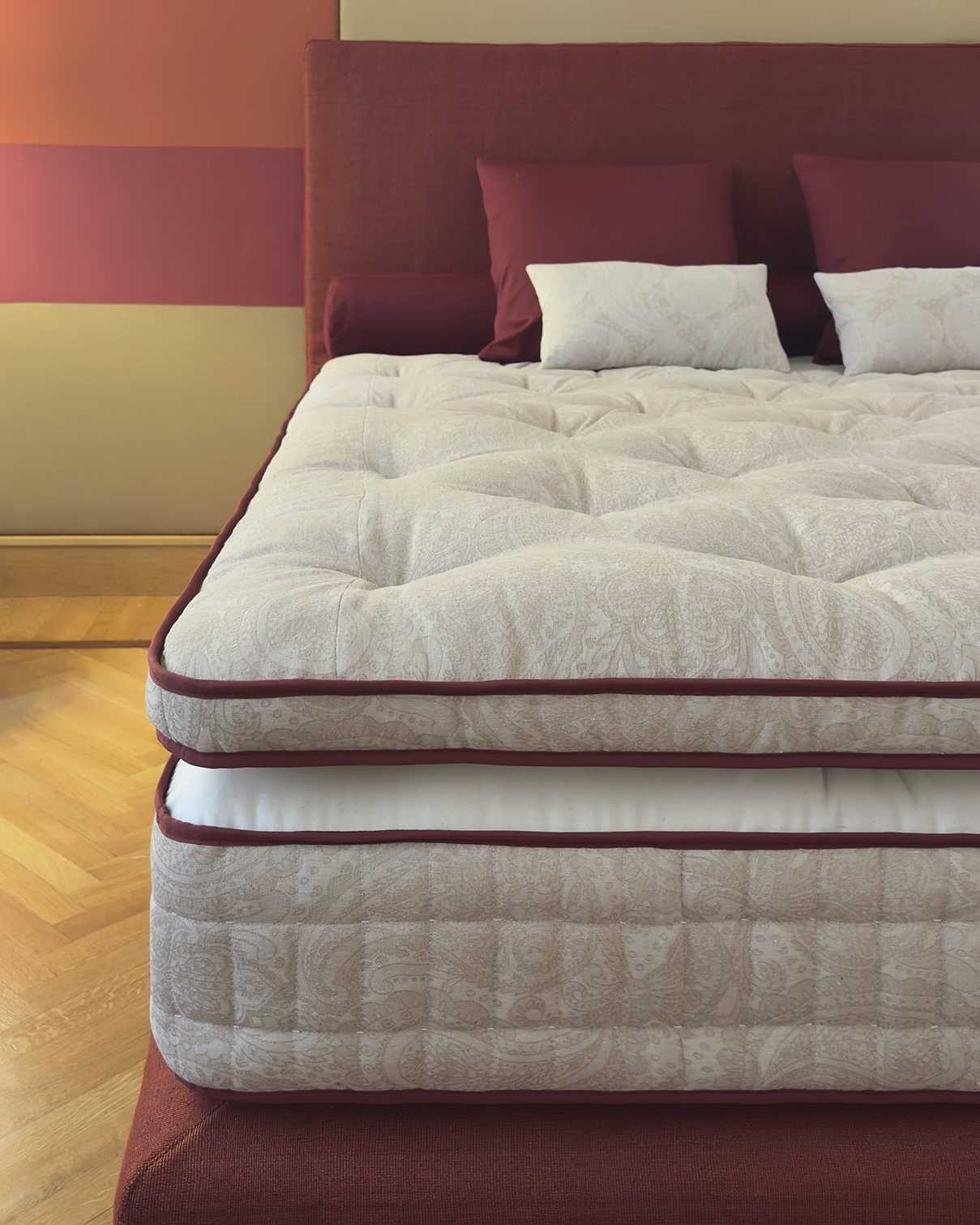
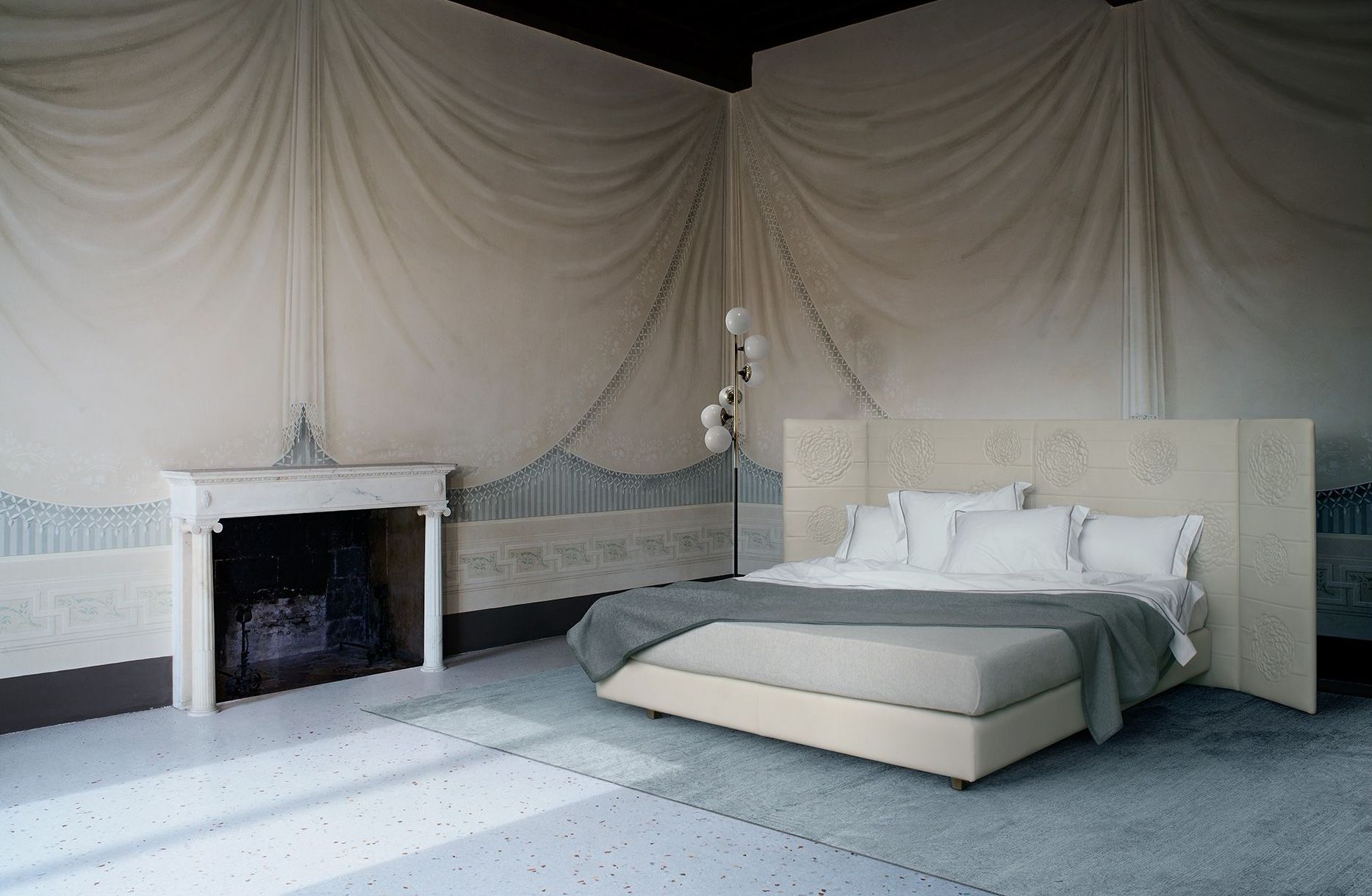
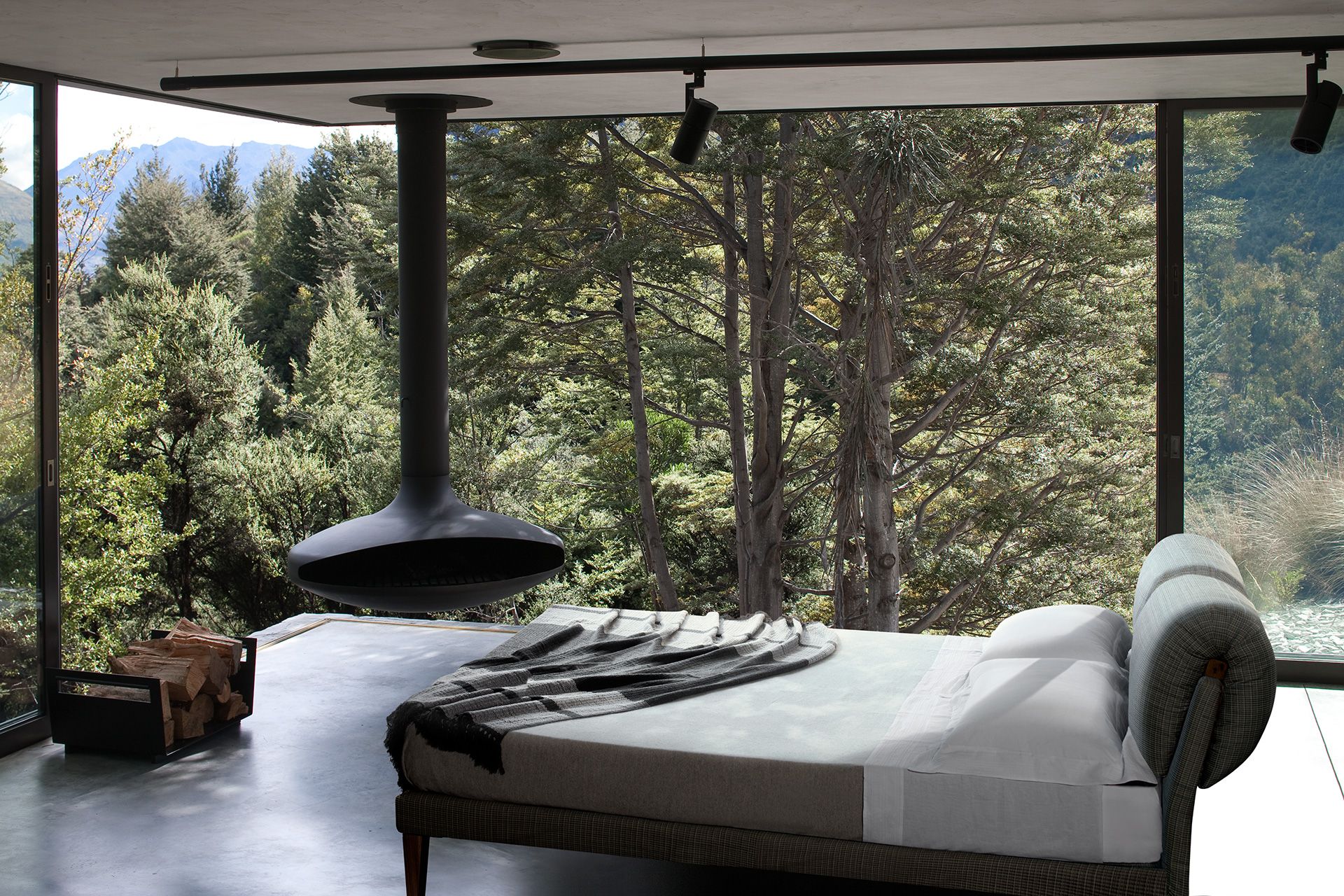
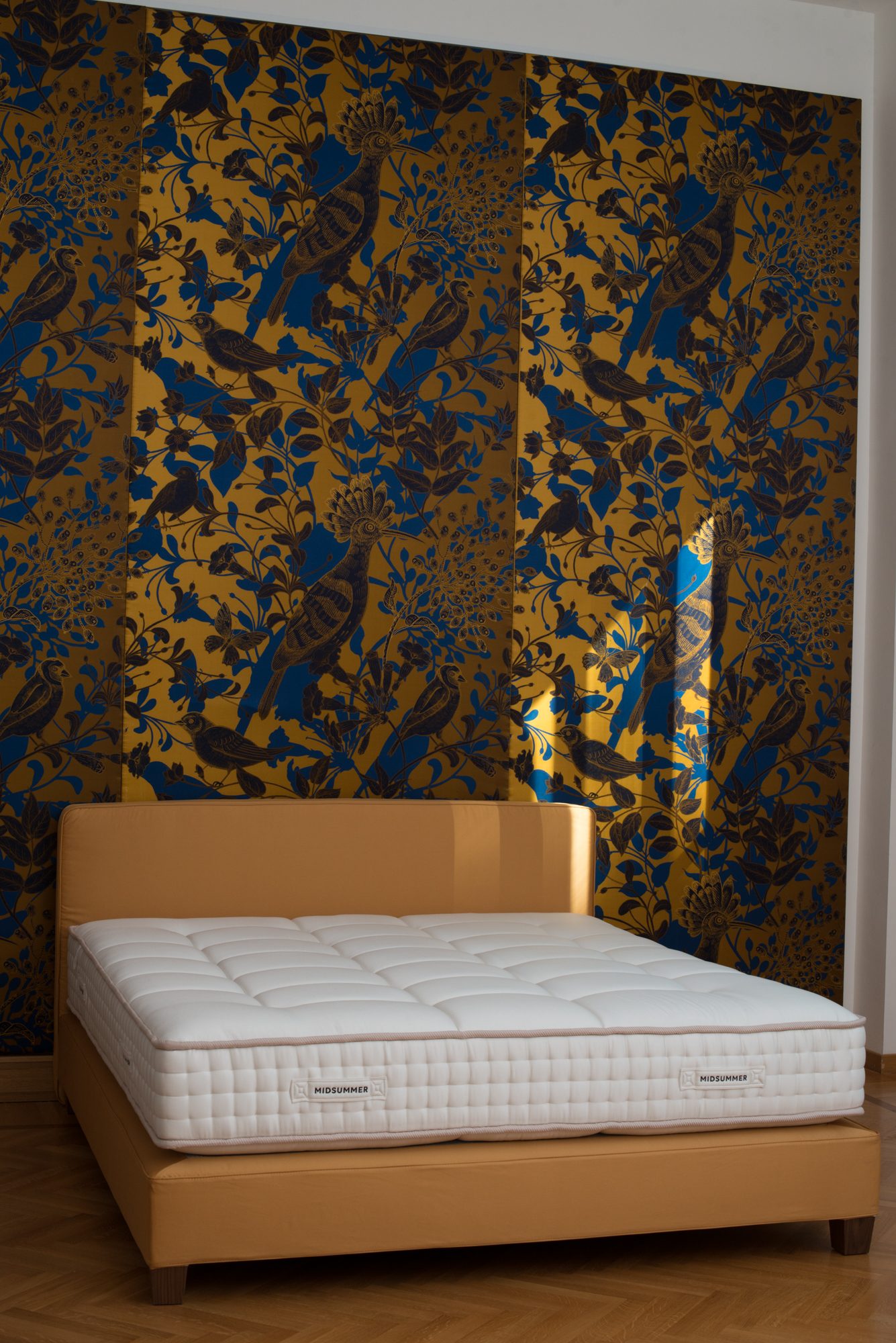
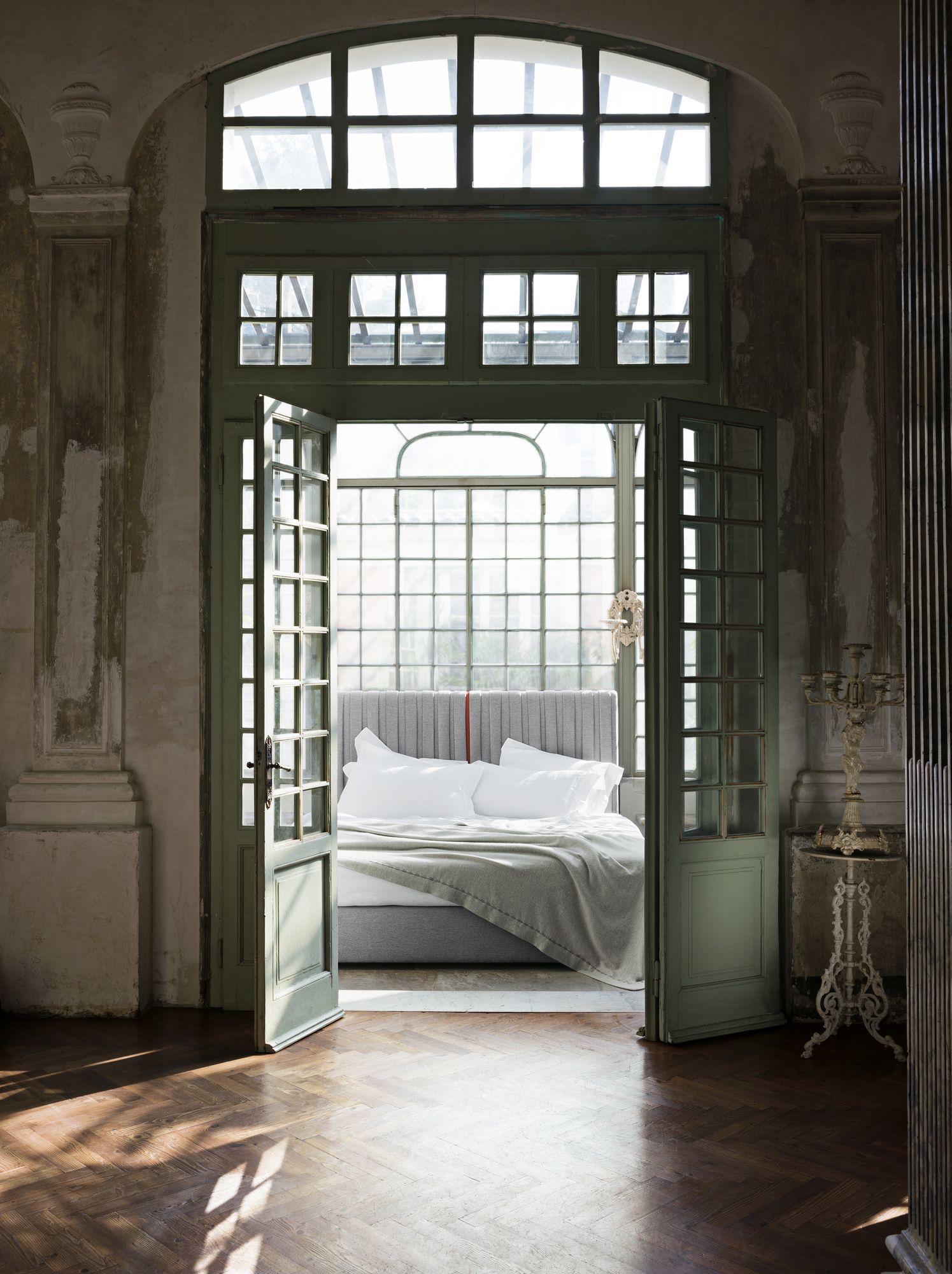
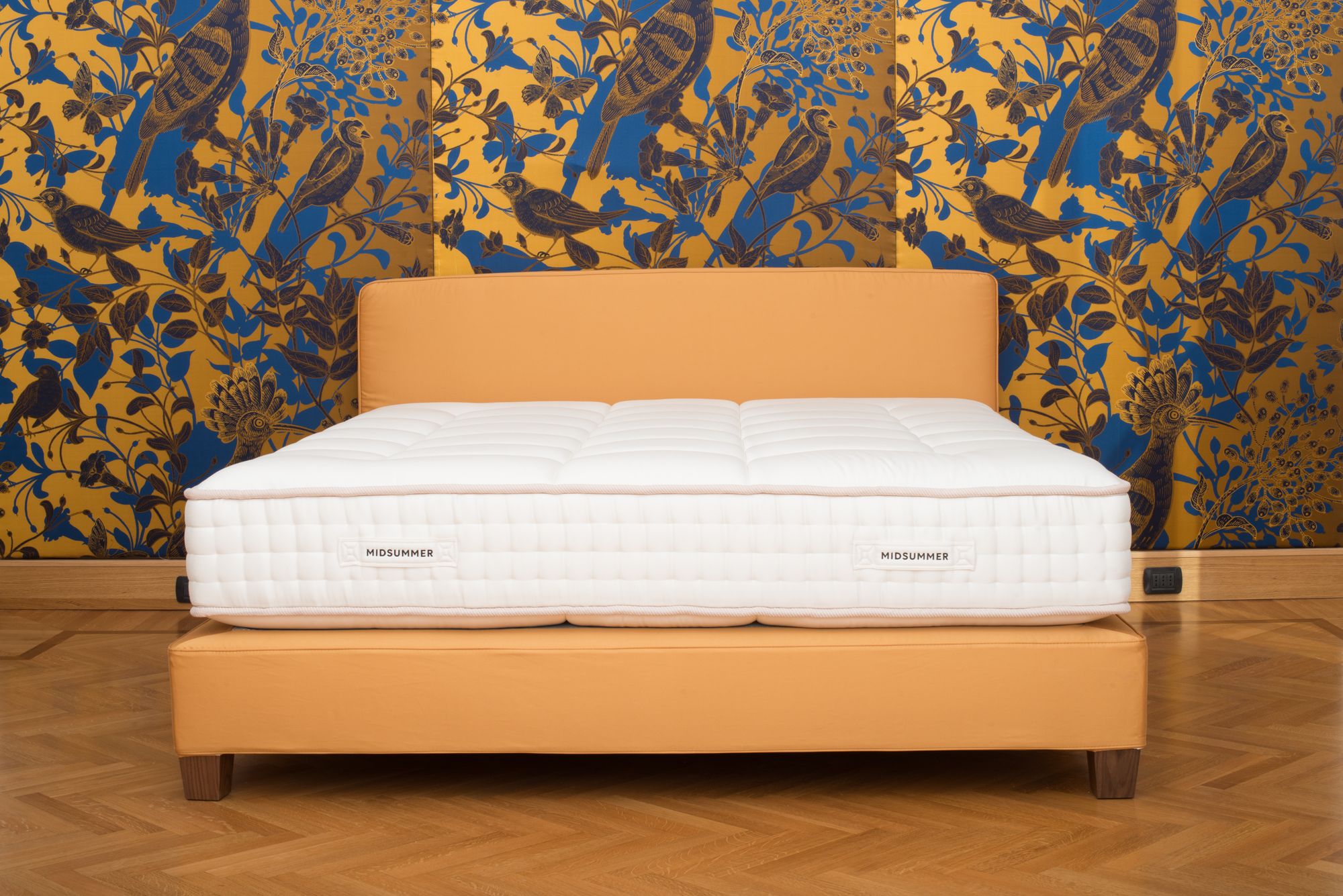
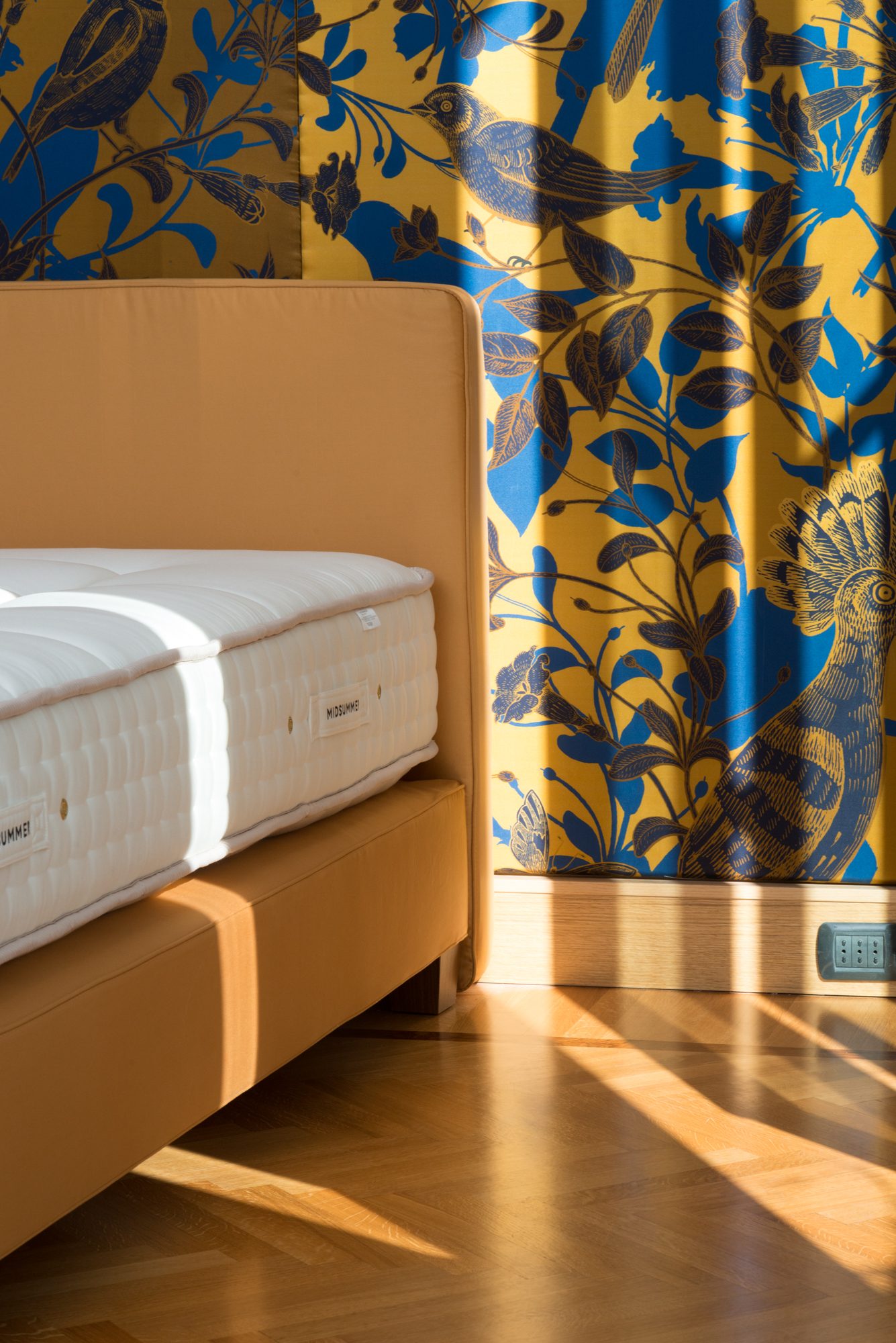
A bed is not an isolated object. It belongs to a room, and every element around it changes the way it is perceived. The height of a mattress has to work with the headboard. A topper has to feel right in relation to the mattress beneath it. Fabrics should speak to the room around them, not fight with it.
Good design is often less about adding and more about finding the right balance.
The right proportion. The right colour. The right texture. Nothing too much. Nothing out of place.
Proportion is part of comfort
We often think of comfort as something purely physical: softness, support, pressure and the way a mattress responds to the body.
But there is another kind of comfort that comes from the room itself. A bed that is too low in relation to its headboard, too high beside the bedside tables or visually disconnected from the scale of the room can feel wrong before we even lie down.
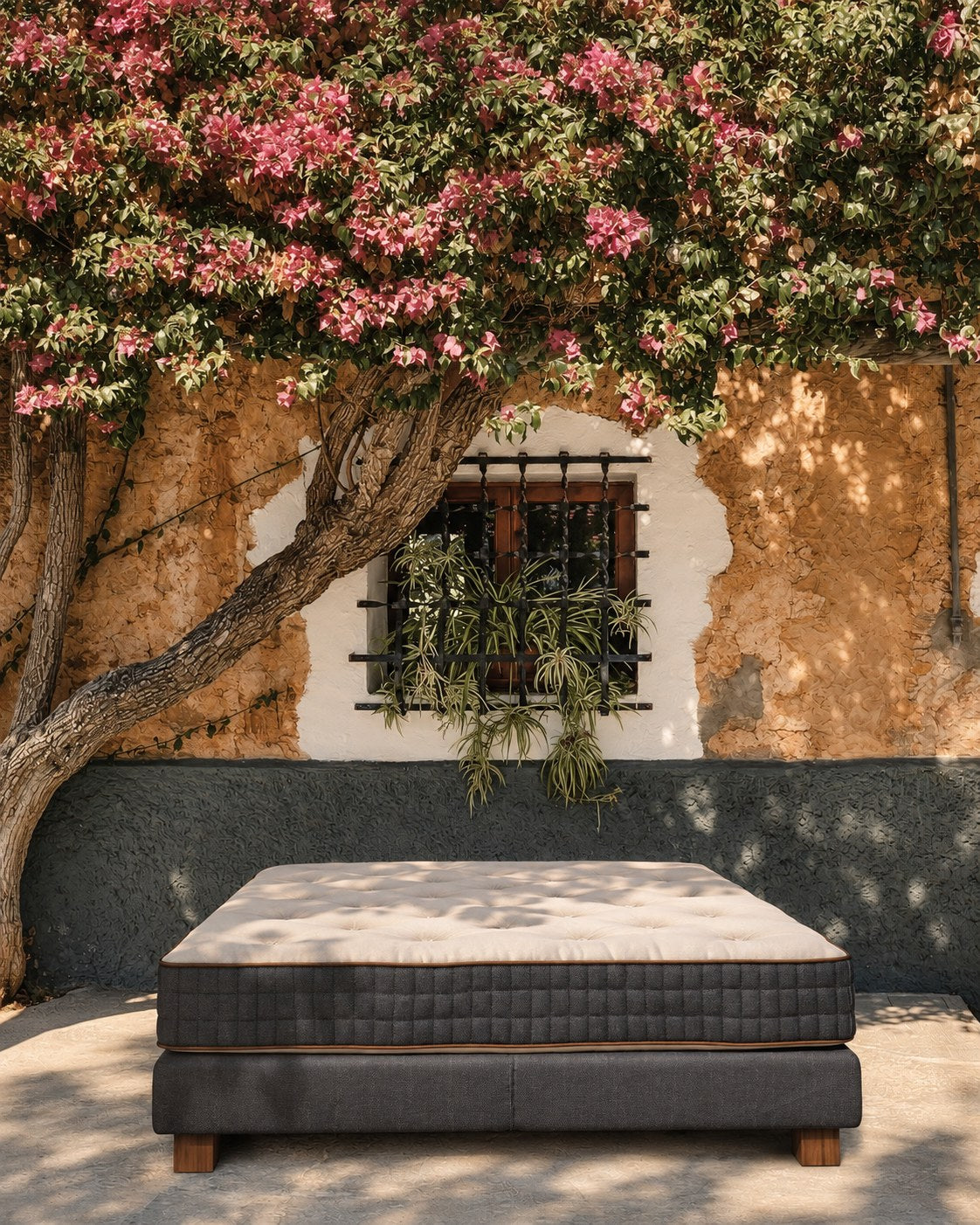
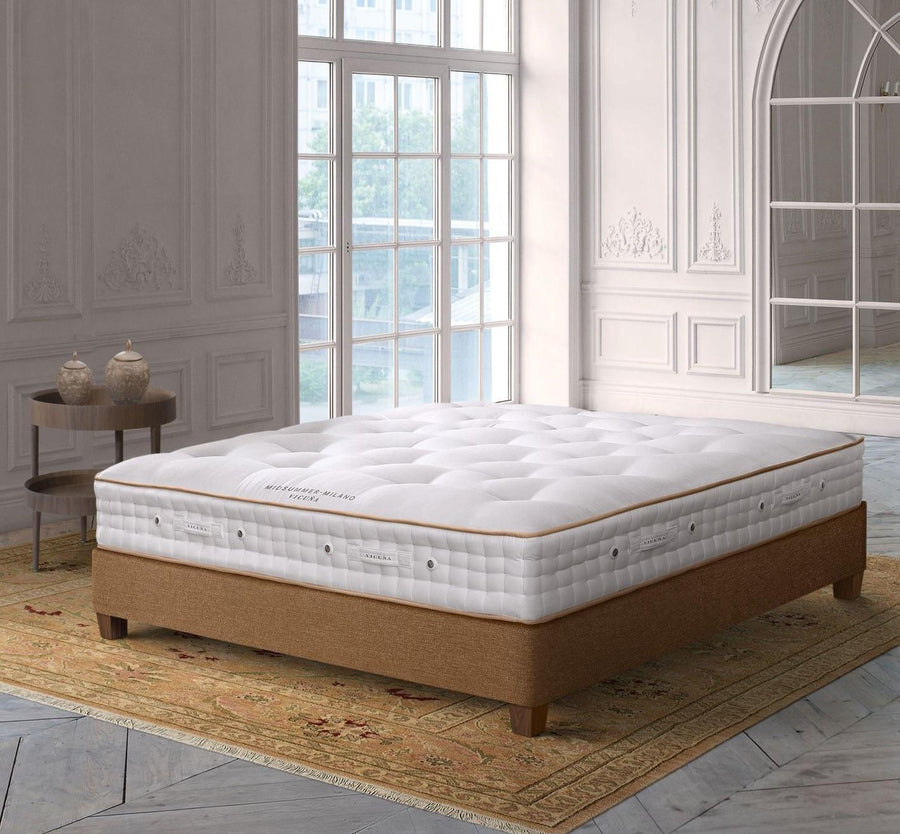
Proportion creates order. It gives each element a relationship with the next: floor, boxspring, mattress, topper, headboard, bedside furniture and the architecture surrounding them.
When those relationships are resolved, the room becomes easier to read and easier to inhabit.
A bed should belong to the room
A mattress is often treated as something that should disappear beneath sheets and bedding. I have always thought differently.
The bed is one of the largest objects in the bedroom and one of the closest to the body. Its materials, colours and proportions deserve the same attention as any other piece of interior architecture.
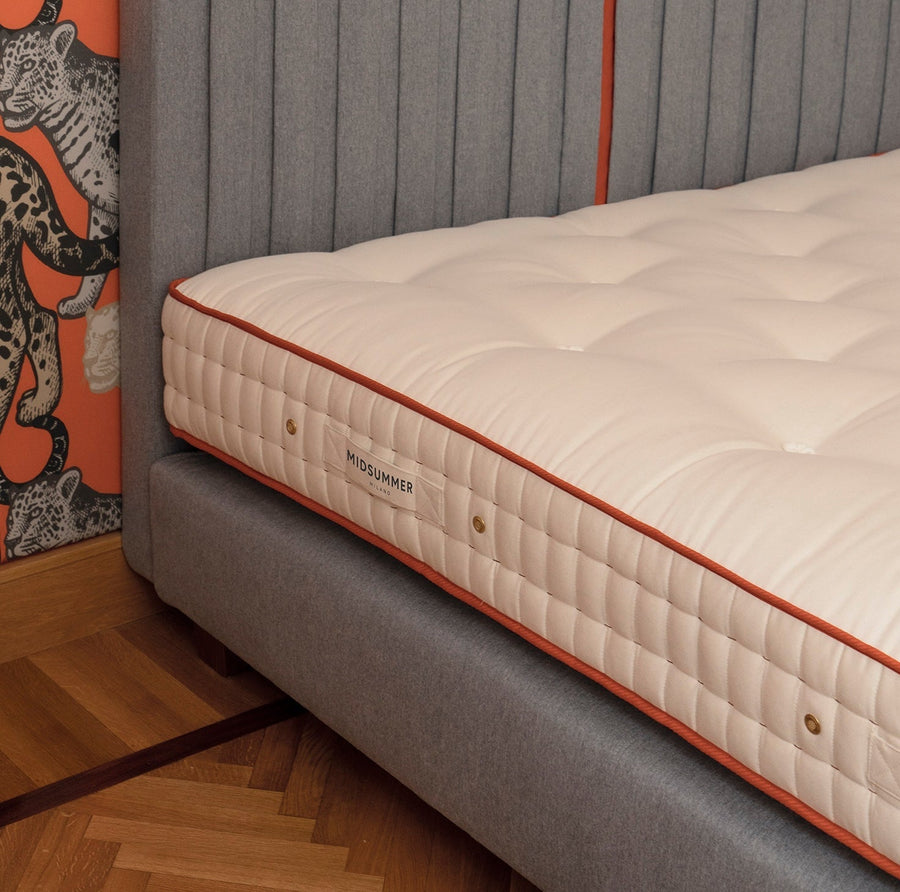
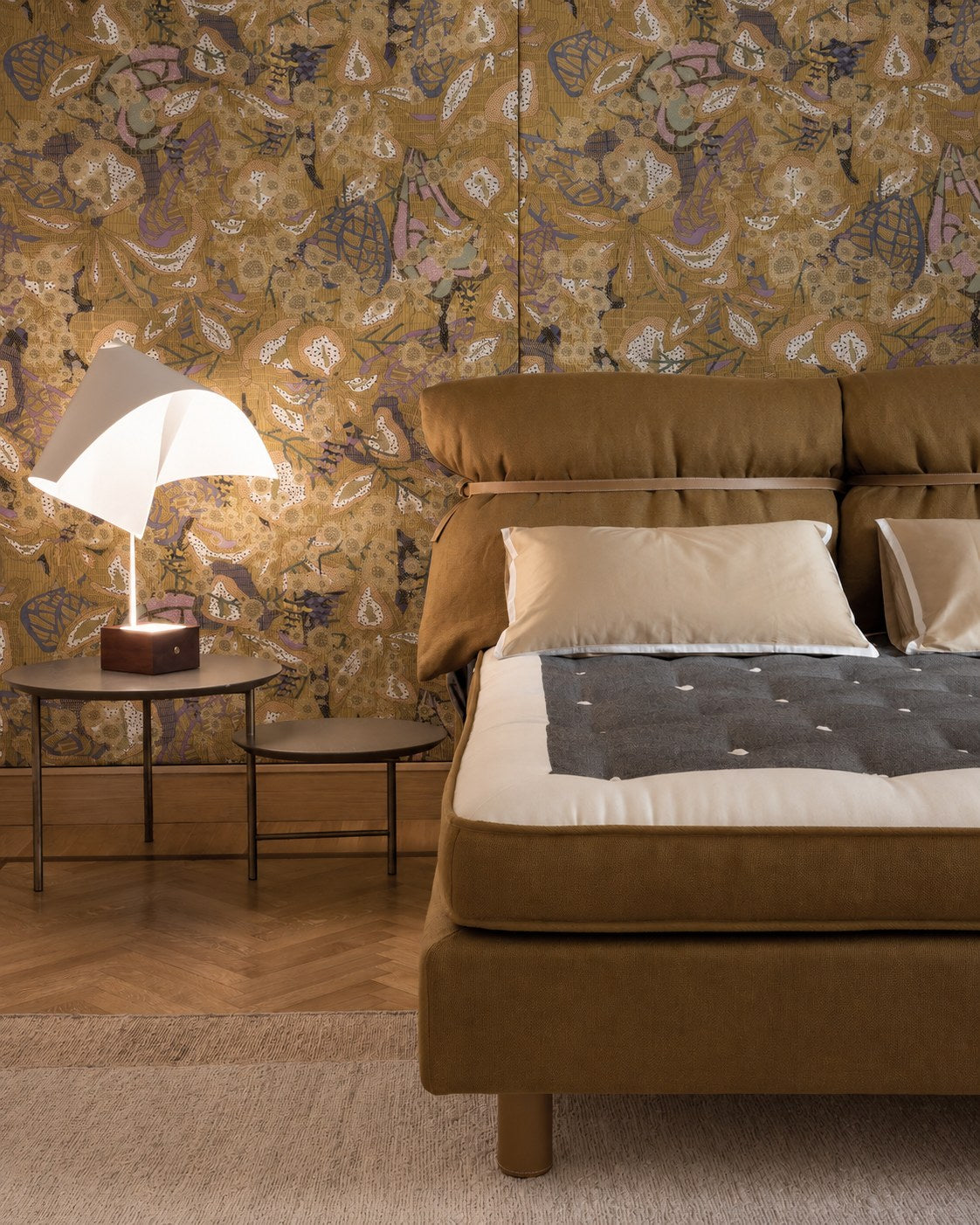
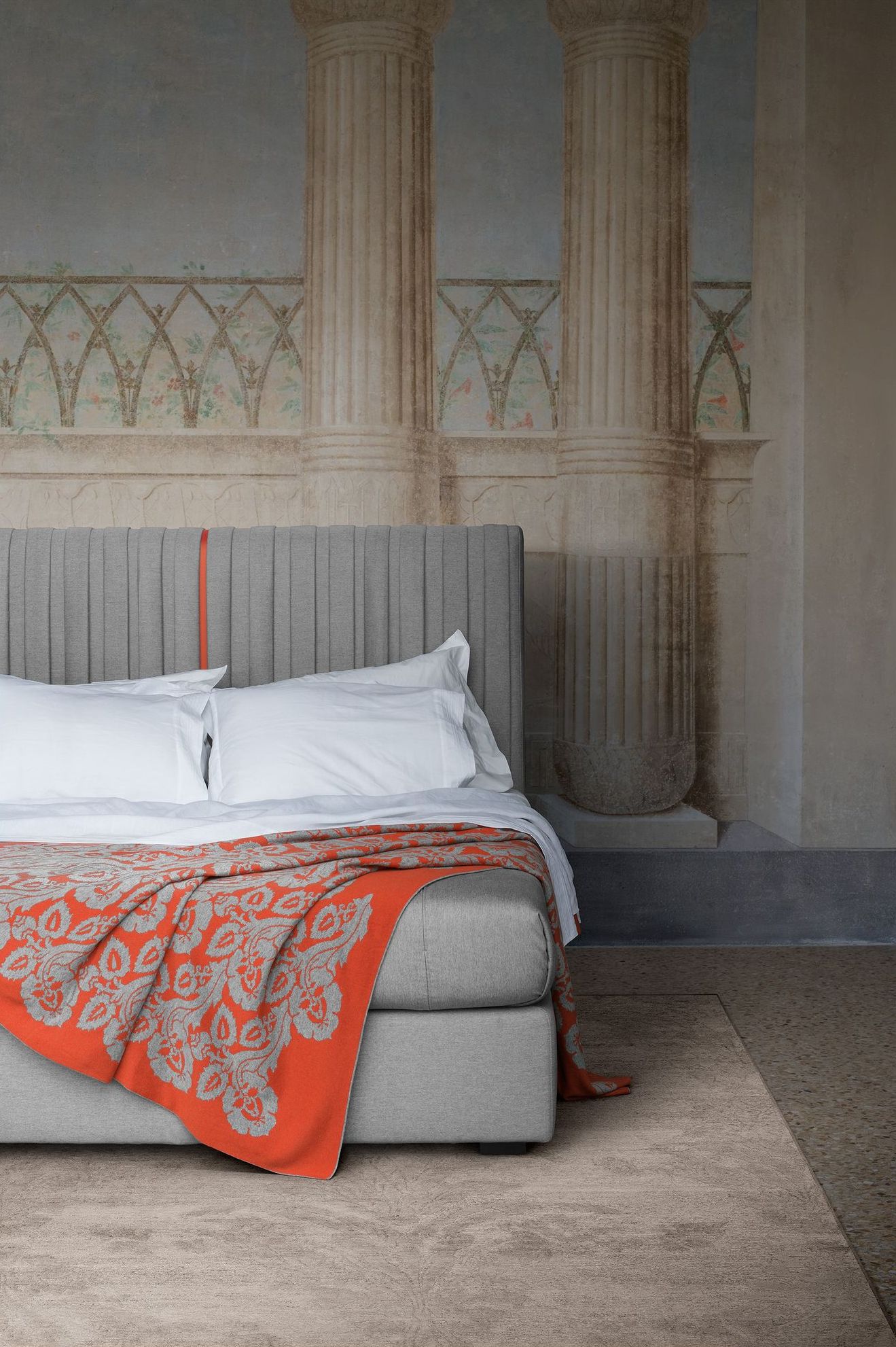
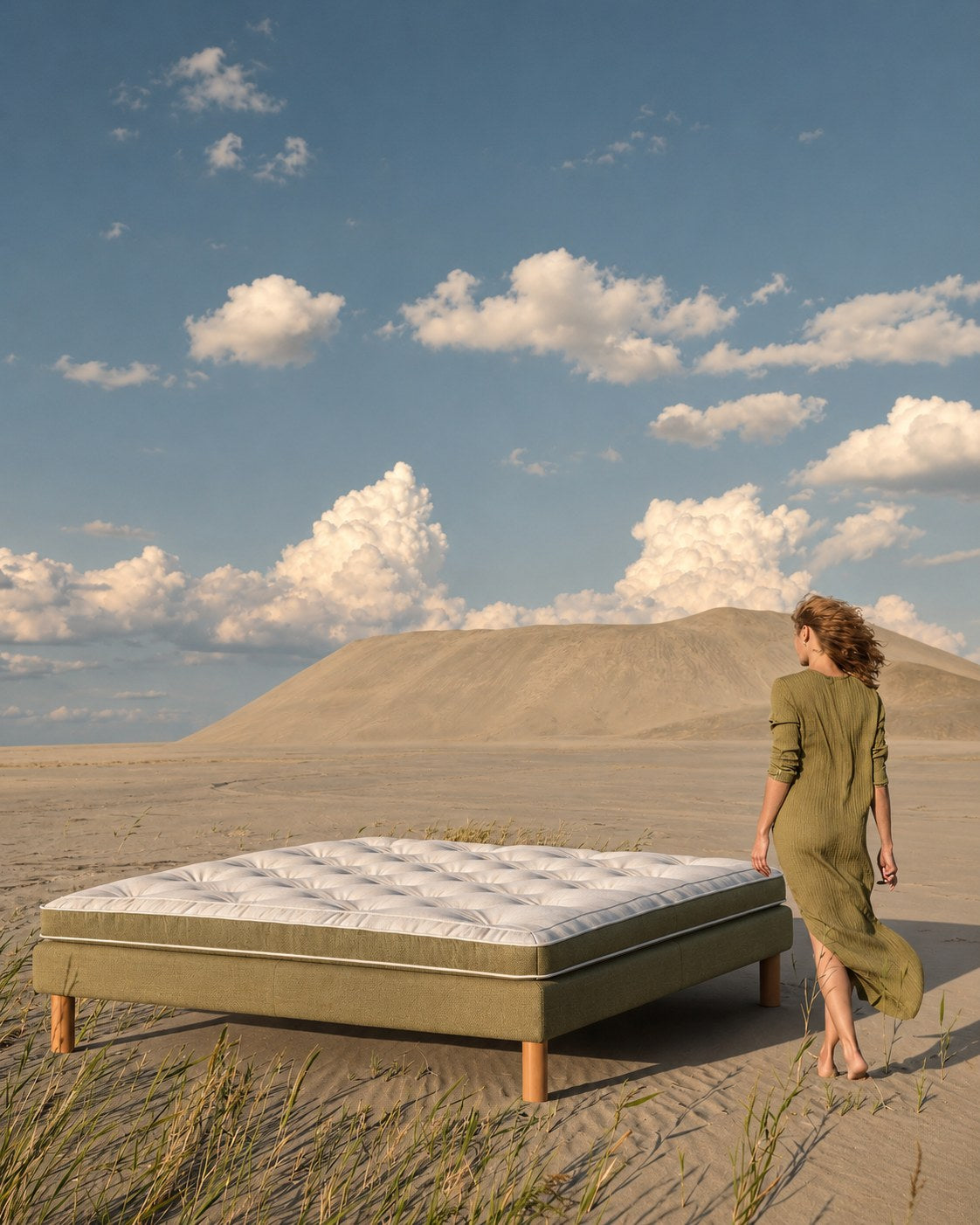
Upholstery allows the sleep system to enter into conversation with the rest of the room. A wool, linen, cashmere or bouclé textile can connect the bed with curtains, carpets, walls, furniture and the wider material palette.
The objective is not for everything to match. It is for everything to belong.
Fabrics are not only decoration
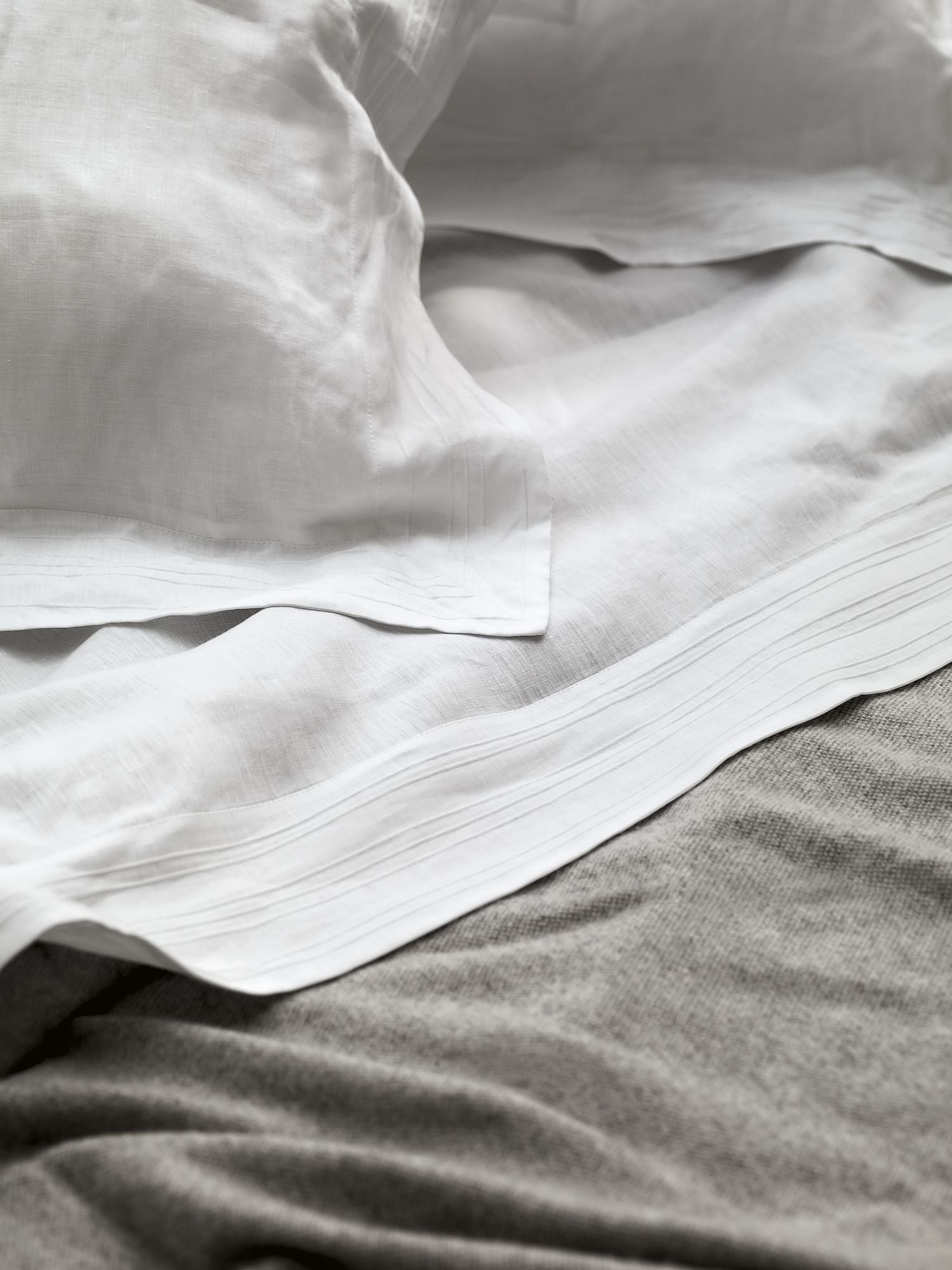
A beautiful natural textile matters for more than appearance. Material has a physical presence. We see it, but we also touch it, live beside it and notice the way it changes over time.
Natural fabrics can combine visual refinement with functional qualities:
- Breathability contributes to the tactile comfort of the bed
- Texture changes how the surface feels against the hand and body
- Natural variation gives the material depth rather than uniformity
- Ageing can become part of the character of a well-chosen textile
- Colour connects the bed to the architecture and atmosphere of the room
This is why the textile is never an afterthought. It forms part of the complete design of the bed.
The same principle continues inside the mattress
What we see on the outside should have the same integrity as what is hidden inside.
Natural materials are not selected simply because they sound precious. Each one is chosen for the role it can play within the construction: softness, resilience, breathability, warmth, freshness or structure.
Springs, horsehair, wool, linen, silk, cashmere and other fibres work as a composition. The quality of the result comes from their relationship, just as the quality of an interior comes from the relationship between its materials, proportions and light.
In this sense, making a mattress is not so different from making a room.
Why we make our beds by hand in Italy
This is also why we make our products by hand in Italy.
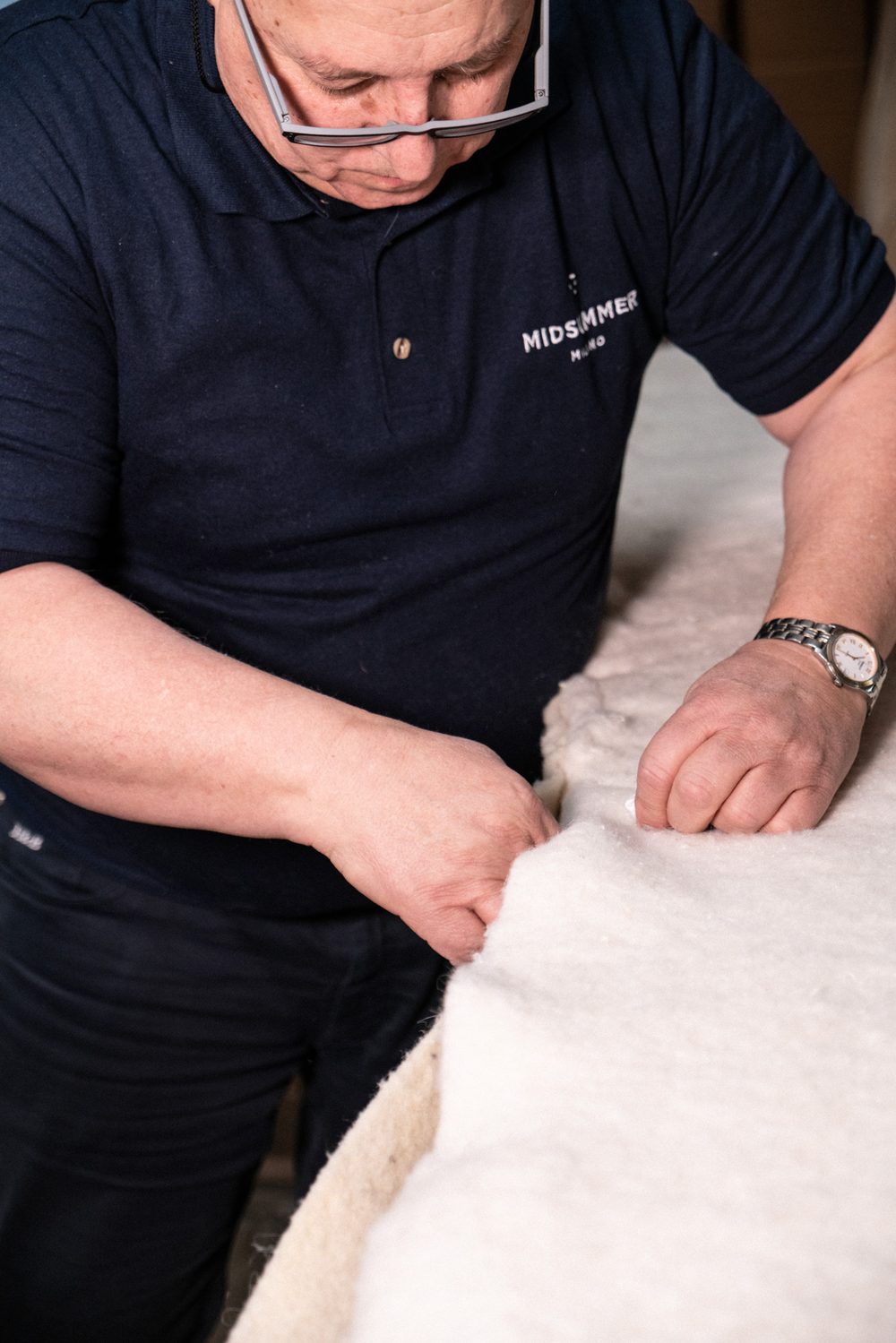
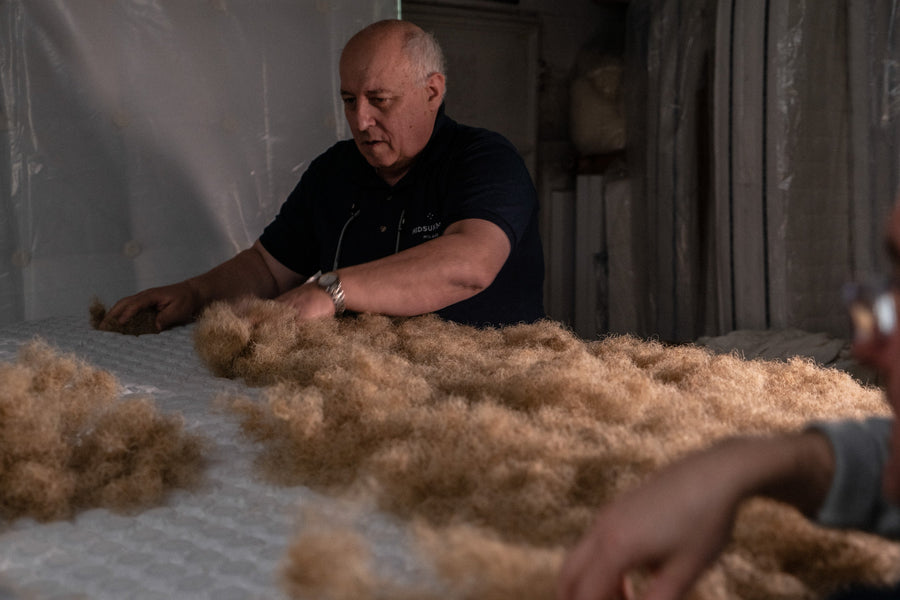
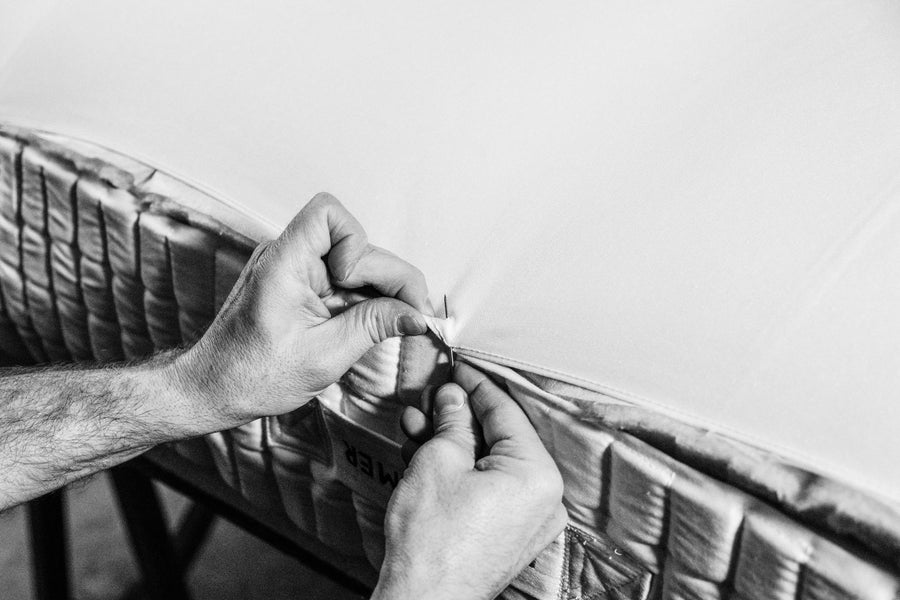
A handmade bed can be approached as a construction rather than as a sealed industrial object. Skilled artisans understand the materials they are working with, how they should be layered and how the different parts of the system relate to one another.
Craftsmanship allows attention to remain on the details: the tension of an edge, the distribution of natural fillings, the proportion of the mattress, the finish of the upholstery and the relationship between one component and the next.
The human hand does not make every bed identical. It makes it carefully.
Made to be lived with, not simply replaced
A bed made by skilled artisans and built from materials chosen with care has a different relationship with time.
It can be maintained. It can be inspected. Selected materials can be refreshed. The system can be cared for rather than automatically treated as disposable.
This changes the meaning of value. Value is not only the price of an object when it is new. It is also the quality of its construction, the materials it contains and the way it can accompany a home for many years.
| Industrial logic | Midsummer approach | |
|---|---|---|
| Construction | Standardised production | Handmade construction in Italy |
| Materials | Chosen for repeatability and scale | Selected according to function, touch and character |
| Proportion | Predetermined dimensions | Considered in relation to the sleeper and the room |
| Upholstery | Primarily a finish | Part of the architectural and tactile language of the bed |
| Life cycle | Designed primarily around replacement | Made to be maintained, cared for and, where appropriate, refreshed |
Craftsmanship is not a marketing word
Today almost everyone speaks about craftsmanship, natural materials and customisation.
Very few truly build their products around these principles.
For us, they are not descriptions added after the product has been made. They determine the way the product is conceived from the beginning: how it is drawn, how it is constructed, which materials are selected, how it responds to the body and how it belongs to the room.
Customisation is not simply choosing another colour. It can mean changing proportions, dimensions, comfort, material composition and the visual relationship between the bed and the architecture around it.
What we mean by Design Therapy
Perhaps this is what we mean by Design Therapy.
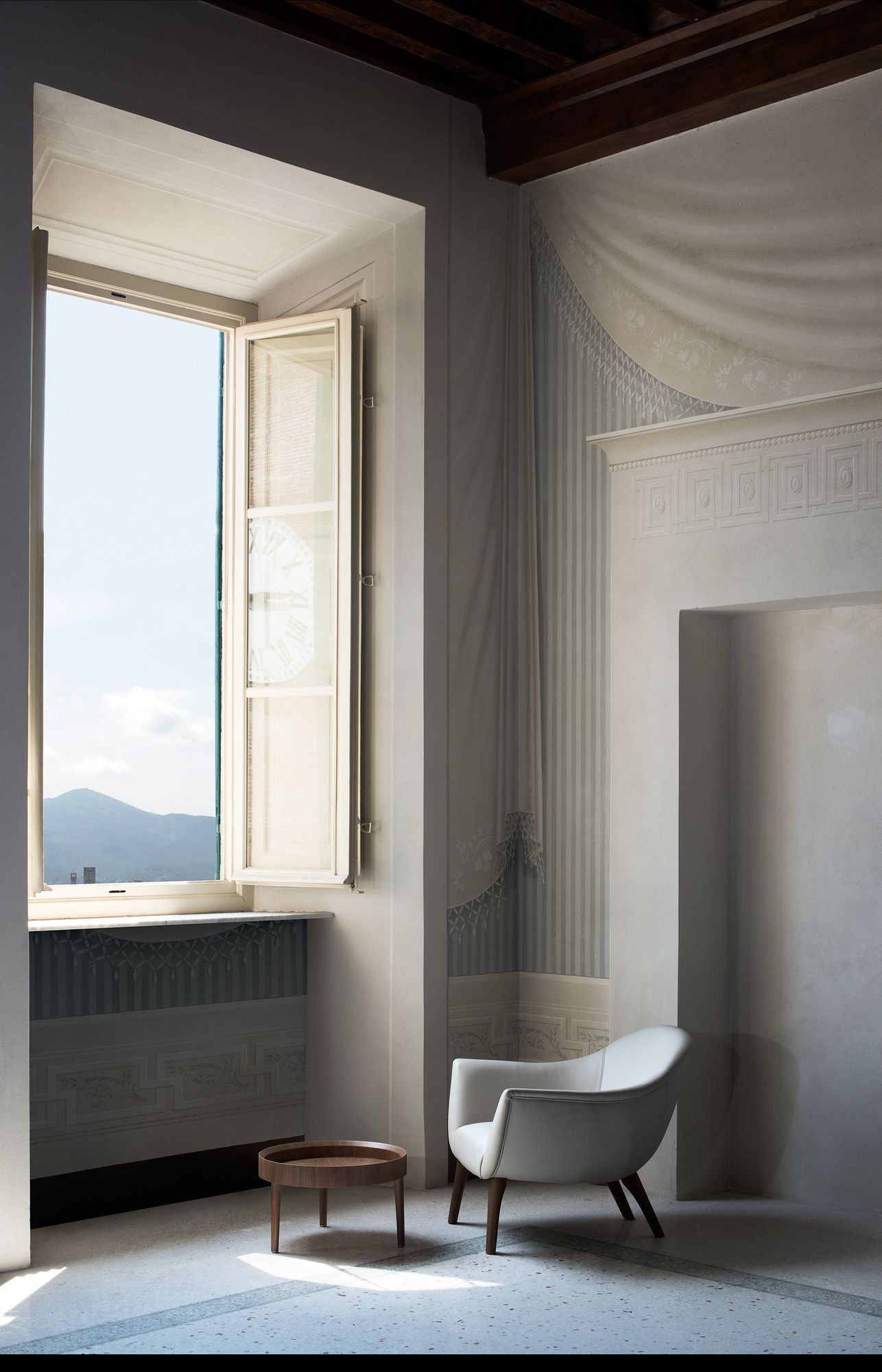
Not design as decoration. Not beauty added after function has been solved. But a room in which proportion, colour, texture, material and comfort support one another.
A considered room simply feels different. There is less visual friction. Objects have space. Colours belong together. Materials invite touch. The bed feels physically right and visually at home.
Beauty is good for the mind. A well-made bed is good for the body.
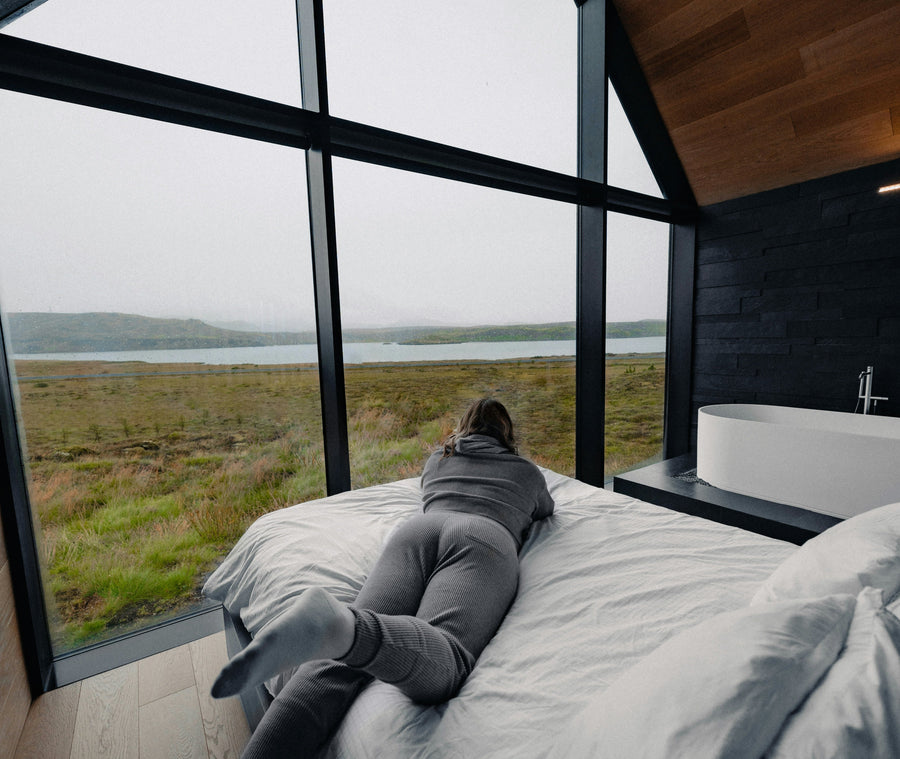
When both are considered together, the bedroom becomes more than the place where the day ends. It becomes a space that gives something back.
Explore Midsummer mattresses · Explore our complete bed systems · Discover our natural materials · Discuss a bespoke project with Midsummer
FAQ
What does Design Therapy mean?
For Midsummer, Design Therapy describes the relationship between physical comfort and a well-composed interior: proportion, colour, materials, texture and craftsmanship working together rather than being considered separately.
Why do bed proportions matter?
Mattress height, topper thickness, headboard proportions and bedside furniture all influence how the bed relates physically and visually to the room.
Why use natural fabrics on a bed?
Natural textiles bring tactile character, breathability and material depth, while allowing the bed to connect visually with the wider interior.
What makes a handmade bed different from an industrial one?
Handmade construction allows skilled artisans to work directly with the materials and components, paying attention to layering, proportion, finish and the relationship between the different parts of the bed.
Can a Midsummer bed be customised for an interior project?
Yes. Depending on the project, dimensions, proportions, comfort, natural material composition and upholstery can be considered in relation to the sleeper and the room.